


Your garage door springs do the heavy lifting every time the door open and door closed cycles run. When a failing spring starts to let go, the warning signs can look like an opener issue, a track issue, or “one of those weird noises” you ignore until you get complete door failure. This guide covers the signs of a failing garage door spring, what they mean, and what to do next to avoid a serious safety hazard.
Book A Service or Call Now to organise a professional inspection and fast replacement before a broken spring causes further damage.
Why Garage Door Springs Matter
Most garage doors rely on functional springs to counterbalance the door’s weight so the garage door opener and automatic opener are not forced to lift the full load. When faulty garage door springs lose spring tension, the door’s balance changes. That can trigger safety mechanism stops, cause the door to hang crooked, or lead to motor burnout and costly repairs.
In Perth homes, we often see worn out springs fail earlier due to corrosion and lack of regular lubrication. At Slide And Glide, we have attended jobs where a door only moved a few inches for weeks, then a loud bang happened and the customer was stuck with a door that would not lift.
Torsion Springs And Extension Springs Explained
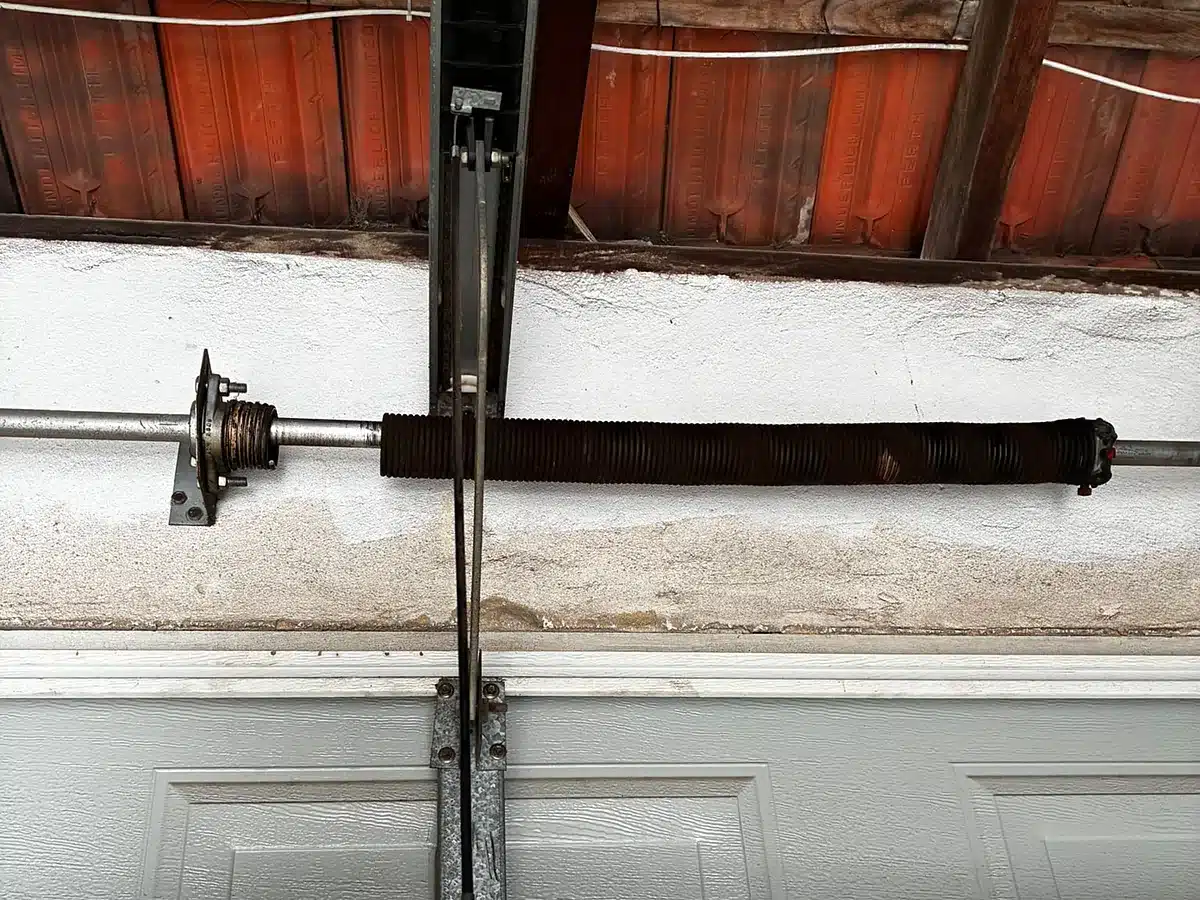
Garage door torsion springs are mounted above the door spring line and work by twisting under high tension. Torsion springs usually deliver smoother operation and better control, especially on heavier doors.
Extension springs sit along the sides and springs stretch as the door moves. They can be reliable, but they are more sensitive to wear, rust, and uneven loading. If you have two springs and one spring is failing, the other spring often follows because both springs usually share the same age and workload.
Knowing which system you have helps you spot early signs and describe the issue accurately when you call for garage door repair.
The Most Common Signs Your Garage Door Springs Are Failing
If you are seeing any of the warning signs below, treat it as a safety hazard and stop forcing the door.
The Door Feels Extremely Heavy
If you try to use your garage door manually and it suddenly feels extremely heavy, the springs may no longer be providing adequate lift force. A healthy spring makes the door feel surprisingly light. When a broken garage door springs issue is developing, you need more force to move the door and it may not stay open.
The Garage Door Only Opens A Few Inches Or Stops Halfway
A garage door opener may start the lift, then stop or reverse because it detects excessive load from a failing spring. Many homeowners assume the opener is faulty, but the real problem is spring failure and the door’s weight is no longer counterbalanced.
You Hear A Loud Bang Or Loud Noise From The Garage
A loud bang can indicate a torsion spring snapping under tension. It often sounds like a firecracker. This is a clear sign the spring breaks and the door is unsafe to operate.
You Notice A Visible Gap In The Spring Coils
With torsion springs, visually inspect for a visible gap in the coil. That gap usually means the spring breaks and the spring tension is gone. With extension springs, look for stretching that seems uneven, or hardware that looks distorted.
The Door Moves Unevenly Or Looks Crooked
If the door tilts, drags, or one side rises faster than the other, it can mean one spring has failed in a multi spring setup. Uneven movement can also lead to frayed cables, track damage, and further damage to other components.
The Garage Door Closes Too Fast Or Slams Shut
A garage door closes under gravity. Springs provide controlled resistance. If the door drops rapidly, slams shut, or feels like it is “running away” on the way down, you may be dealing with worn out springs and a serious safety risk.
You Hear Weird Noises, Grinding, Or Banging Sounds
Unusual noises like squeaking, creaking, grinding, or banging sounds can indicate metal fatigue, rust, lack of regular lubrication, or a spring that is close to sudden failure. If the noises are new or getting worse, do not ignore them.
The Opener Struggles, Strains, Or Sounds Like It Is Working Too Hard
If your automatic opener is straining, humming, or stopping, the opener may be reacting to faulty springs, not causing the problem. Continuing to run the wall button or remote with a broken spring can cause damage to the opener and shorten its life.
Cables Look Loose Or Frayed
Cables rely on correct spring tension. If you see frayed cables, slack, or cables that look like they have jumped position, stop operating the door. Cable issues plus failing spring conditions can create a serious injury risk.
The Door Will Not Stay Balanced When Lifted
Balance problems are one of the earliest indicators. If the door will not hold position and wants to fall or shoot upward, the spring tension is wrong and the system is unsafe.
A Simple Balance Test You Can Do Safely
This is not a repair. It is a quick check to confirm signs your garage door may have spring failure.
- Close The Door Fully so the door is stable.
- Unplug The Garage Door Opener to prevent accidental movement.
- Disengage The Opener using the manual release cord.
- Lift The Door Manually to about waist height.
- Observe The Door’s Balance. A properly balanced door should stay in place at waist height. If it drops, feels heavy, or rises quickly, you likely have worn out springs or a failing spring.
If the door is extremely heavy or you suspect a broken spring, do not keep testing. Call for a professional inspection.
What To Do Next If You Suspect A Broken Spring
If you suspect broken spring conditions or broken garage door, keep it simple and safe.
- Stop Using The Door. Do not keep pressing the remote.
- Keep The Door Closed if possible. A door with spring failure can drop unexpectedly.
- Do Not Attempt DIY Replacement. Garage door springs are under extreme tension and can cause serious injury if handled incorrectly.
- Book A Professional Inspection. A technician can confirm whether you need new springs, whether both springs should be replaced, and whether the opener or other components have been stressed.
At Slide And Glide, we have seen cases where “just one more lift” turned a spring issue into expensive repairs, including bent tracks and opener damage.
How To Reduce The Risk Of Spring Failure
Most garage door springs last around 7 to 10 years, depending on usage and care. These habits help you avoid sudden failure.
- Schedule Regular Maintenance so spring tension and hardware wear are checked before breakdowns.
- Use Regular Lubrication on springs and moving parts to reduce corrosion and noise.
- Watch For Early Signs like uneven movement, weird noises, and changes in lift effort.
- Avoid Unnecessary Cycling so you reduce wear on springs and the opener.
Frequently Asked Questions
How Do I Know If My Garage Door Spring Is Broken?
Common signs include a loud bang, a visible gap in a torsion spring, the door feeling extremely heavy, the door only opening a few inches, or the door hanging crooked. If you see these signs, stop using the door and book a professional inspection.
Can A Garage Door Work With One Broken Spring?
In some setups, the door might still move slightly, but it is unsafe and can cause further damage. Running the opener with a broken spring can burn out the motor and turn a simple spring replacement into costly repairs.
Is It Safe To Use The Opener If The Door Stops Halfway?
Not usually. If the garage door opener stops halfway, it may be detecting excessive load from a failing spring. Continuing to press the wall button or remote can damage the opener and increase safety risks.
How Can I Visually Inspect Garage Door Springs?
With the door closed, look for rust, deformation, and a visible gap in torsion springs. On extension springs, look for uneven stretching or worn hardware. Do not touch springs, as they are under high tension.
Should I Replace Both Springs Or Just One Spring?
If your door uses two springs, replacing both is usually recommended because both springs experience similar wear. This restores balanced operation and reduces the chance of another breakdown shortly after.
Book A Spring Inspection Before It Becomes A Bigger Problem
Failing garage door springs rarely fix themselves. The early signs can be subtle, but once a broken spring occurs, you are dealing with a serious safety hazard, possible property damage, and the risk of complete door failure. If you have noticed a loud noise, a visible gap, frayed cables, or a door that feels extremely heavy, get it checked before it turns into expensive repairs.
Call Slide And Glide today or book a service online to organise professional inspection and garage door spring replacement with new springs that restore smooth operation and protect your opener.

- How To Tension A Roller Door (And When To Call A Pro) - October 18, 2026
- How To Program A B&D Garage Door Remote - October 18, 2026
- How Long Do Garage Doors, Motors And Springs Last? - October 18, 2026
Social Media