

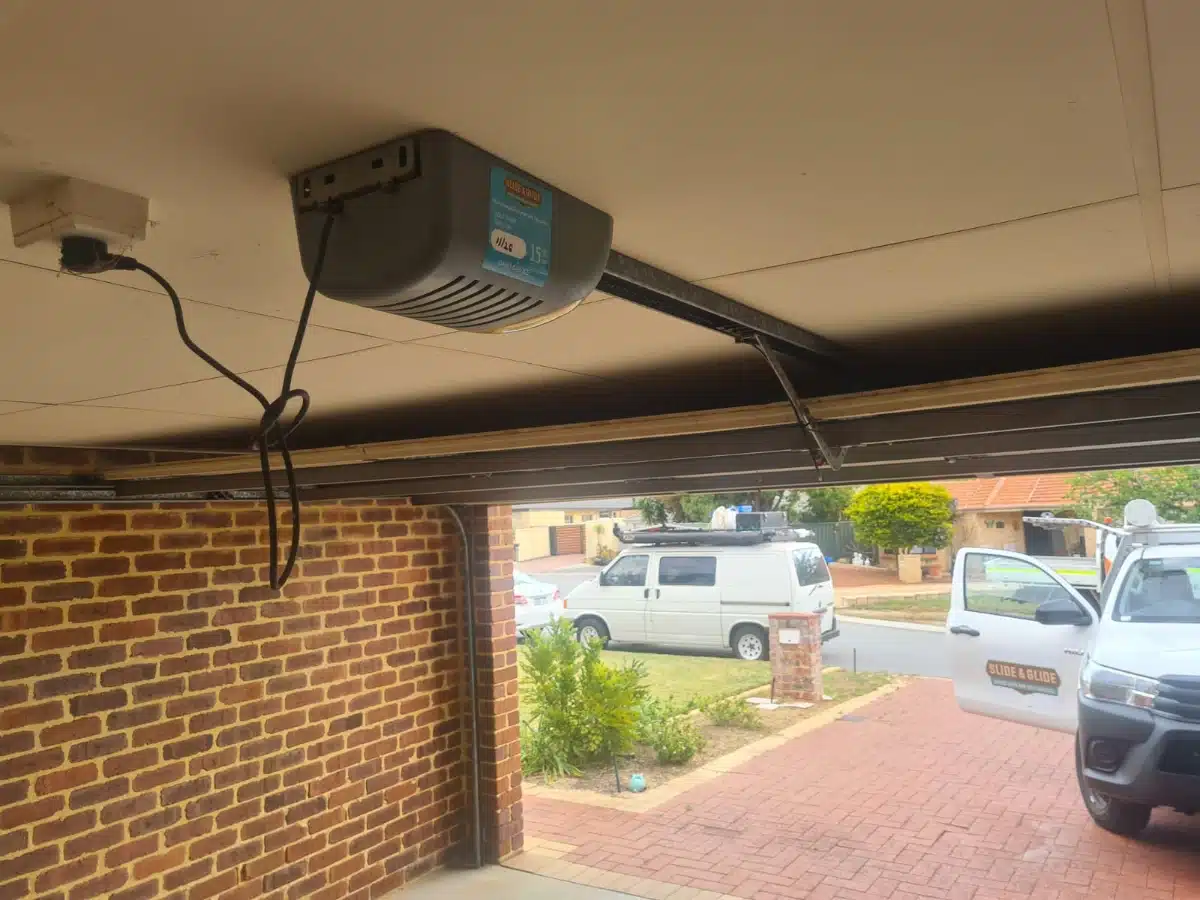
Most homeowners open and close their garage door dozens of times a week without a second thought. But behind that routine sits a system under serious stress: high-tension springs, moving parts that collect grime, and an opener clocking thousands of cycles a year. If you skip regular maintenance then the wear builds quietly, until one day the door jams, drops unevenly, or won’t respond at all.
A proactive approach to preventative maintenance keeps your garage door running smoothly, extends the life of every component, and helps you avoid costly repairs that come from ignoring small problems until they turn expensive. At Slide and Glide, we service garage doors in Perth and see first hand how a little routine attention makes the difference between a door that lasts 15 years and one that fails at 8.
Lubricate All The Moving Parts
Proper lubrication is the single most effective thing you can do to extend the life of your garage door. Metal parts grinding against each other without a lubricant layer wear down faster, run louder, and create strain on the motor. Noisy garage doors are almost always a lubrication problem before they are anything else.
Apply a silicone based spray or white lithium grease to the garage door springs, garage door rollers, hinges, and the track where the rollers contact. A high quality lubricant designed for moving components reduces friction and protects against rust spots on exposed steel.
*Avoid using WD-40 as your primary lubricant, it works as a cleaner and penetrant but does not provide the lasting film that a silicone based lubricant or spray lubricant delivers.
Lubricate the moving parts every six months, or quarterly if the door cycles heavily. A two-minute job with a can of silicone spray is the cheapest form of garage door maintenance there is.
Tighten And Inspect All The Hardware
A garage door that runs multiple times a day vibrates every bolt, bracket, and hinge on the system. Over time, this loosens hardware that was tight at installation. Loose bolts on the track brackets allow the garage door tracks to shift, causing uneven movement and extra load on the opener. Loose hardware on the hinges can loosen plastic hinges or metal brackets to the point where they crack under stress.
Walk the full length of the door and check every fastener you can reach. Tighten anything that has worked loose with a socket wrench. Inspect the rollers for signs of wear, chips, or flat spots. Worn parts do not roll smoothly, and a roller that drags instead of turning creates friction that wears out the track and the opener motor faster.
Mitch from our Slide and Glide team serviced a door in Wanneroo where the homeowner had not touched the hardware in seven years. Three track bolts had loosened enough that the door was riding crooked in the guides, and the opener was working twice as hard to pull it through. Tightening the bolts and replacing two cracked nylon rollers brought the door back to smooth operation and took the strain off the motor before it burned out.
Clean The Door And Garage Door Tracks
Dirt, leaves, and grit collect in the garage door tracks and along the door surface over time. This debris creates drag on the rollers and accelerates wear on both the track and the moving components. Wipe the tracks with a soft cloth to remove buildup and clean the door surface with a mild detergent and water to prevent dirt from embedding into the paint finish.
Check the weather stripping along the bottom and sides of the door while you are cleaning. Weather seal material cracks and hardens with age, especially in Perth’s heat. Damaged weather stripping lets cold air, dust, and moisture into the garage, and a seal that has pulled away from the door leaves a visible gap that defeats the purpose of closing it. Replace the weather seal if it is cracked, brittle, or no longer making contact with the floor.
Test The Safety Features And Balance
Every modern garage door opener includes an auto reverse safety feature that stops and reverses the door if it meets resistance while closing. To test, place a piece of timber on the ground where the door closes. The door should reverse the moment it contacts the timber. If the door closes on the object and does not reverse, the auto reverse feature needs adjustment. Never stand underneath a moving garage door, and never let anyone walk through while the door is in motion. A door that does not reverse properly creates a risk of serious injury.
Test the photo eye sensors by waving an object through the beam while the door closes. The door should stop immediately. If it does not, clean the sensor lenses and check alignment. Replace the batteries in your remote control and keyless entry pad at the same time so you are not caught out by a flat battery when everything else is working properly.
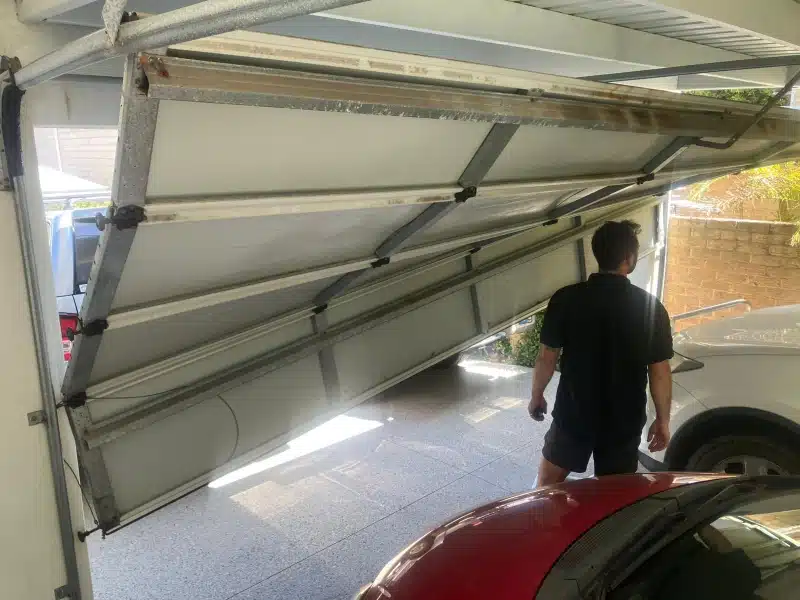
Check whether the door is properly balanced by disconnecting the automatic opener and lifting the door manually lift to the halfway point. A balanced door will stay in place. An unbalanced door will drift up or drop down, which tells you the spring tension is off. Do not attempt to fix springs or adjust spring tension yourself. Garage door springs operate under high tension and can cause serious injury if handled incorrectly. This is a key part of your door’s operation that requires a garage door professional.
Book An Annual Professional Inspection
Even with regular home maintenance, an annual service by a professional catches problems that are difficult to spot without experience. A professional inspection covers spring condition, cable wear, track alignment, roller integrity, motor performance, and all the hardware connections that keep the garage door system functioning properly. We check for early signs of wear on components that are not visible from ground level and adjust anything that has drifted out of specification.
Regular maintenance at home combined with a yearly professional inspection is the most reliable way to keep your garage door running longer and avoid the costly repairs that come from letting small issues compound into further damage.
Garage Door Maintenance Frequently Asked Questions
Here are the questions we hear most about keeping your garage door in top shape.
How Often Should You Service A Garage Door?
We recommend lubricating and inspecting your door regularly, at least every six months. An annual service from a garage door professional covers the items that require specialist tools and training, including spring tension, cable condition, and opener diagnostics.
Can Regular Maintenance Prevent A Garage Door From Breaking?
Preventative maintenance catches worn parts before they fail and keeps the door operating within its design tolerances. It does not guarantee the door will never break, but it significantly reduces the likelihood of unexpected failure and extends the life of every component.
Is It Safe To Fix Garage Door Springs Yourself?
We strongly advise against attempting to fix springs without professional training. Garage door springs store enough energy under high tension to cause serious injury. If you suspect a spring issue, contact a qualified technician rather than attempting a repair that could result in further damage or harm.
Keep Your Garage Door In Top Shape
A garage door that receives regular attention runs quieter, lasts longer, and costs less to maintain over its lifetime. At Slide and Glide, we provide annual service plans and one-off maintenance visits across Perth to keep your garage door system working properly from season to season. Contact us on 0489 266 468 or request a booking online and we will inspect, lubricate, and adjust your door so it performs the way it should.

- How To Improve Your Garage Door Security - September 1, 2026
- Do I Need A Backup Battery For My Garage Door Opener - August 16, 2026
- DIY Vs Professional Garage Door Repairs - August 16, 2026

Social Media