

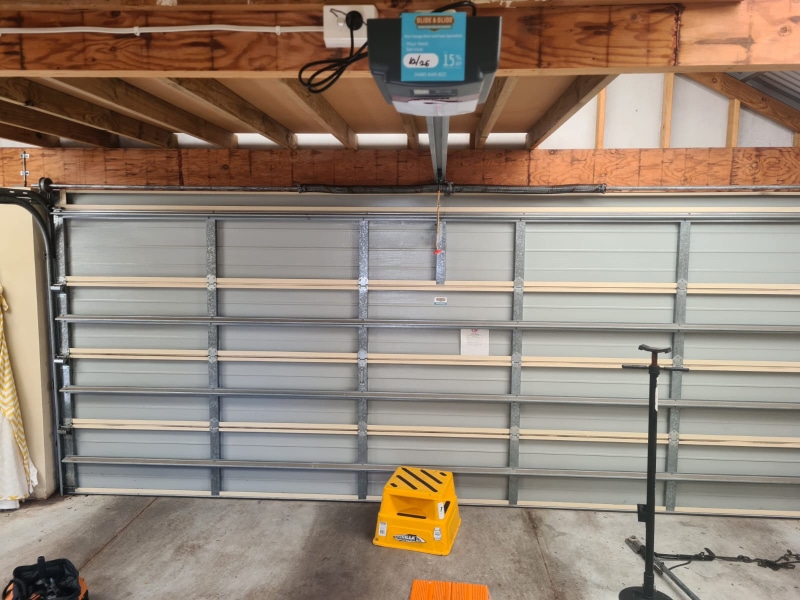
Is your noisy garage door waking the neighbours or disturbing your peace? A garage door is the largest moving object in your home, and when it starts to fail, it rarely does so quietly. If your garage door makes loud noise when opening or closing, it is usually a sign of friction, loose hardware, or worn-out parts. Ignoring these sounds can turn a minor maintenance task into a major, expensive repair.
The good news is that many noisy roller door issues can be solved with basic tools and the right lubrication. In this guide, we will walk you through diagnosing specific sounds, from squealing rollers to grinding tracks and provide direct instructions on how to fix them.
Want your door open quietly again? Book Slide & Glide today for a fast inspection, tune-up, and garage door repair.
Why Is My Garage Door So Loud?
A noisy garage door is typically caused by worn-out rollers, lack of lubrication, loose hardware, or misaligned tracks. If your garage door makes loud noise when opening and closing, act early. Addressing these issues immediately can reduce garage door noise and prevent expensive damage to worn parts.
Garage Door Noise Diagnostic Guide
Use this guide to identify the specific sound garage doors make when they are failing. Here are the most common noises:
- Grinding: Worn rollers, dry metal parts, or tracks requiring lubrication.
- Banging: Loose screws, bolts, hinges, or an unbalanced door.
- Squeaking: Dry rollers and hinges, or a squeaky roller door.
- Rattling: Loose nuts or hardware on the garage door opener.
- Scraping: Dirt, debris, bent tracks, or rollers sliding rather than rolling.
- Popping: Dangerous torsion spring issues (requires a professional).
Grinding Noise
A grinding noise usually indicates metal-on-metal contact from steel rollers or worn-out rollers rubbing on the tracks.
- The Fix: Wipe dirt with an oily cloth and add silicone-based lubricant or white lithium grease.
- Upgrade: Replace worn metal rollers with nylon rollers for significant noise reduction. If the grinding continues, a professional should inspect the tracks.
Banging Or Clunking Noise
Banging is often caused by loose hardware, bolts, or a door that is off-balance. Daily vibration can loosen parts over time, creating loud noises that annoy you and your neighbours.
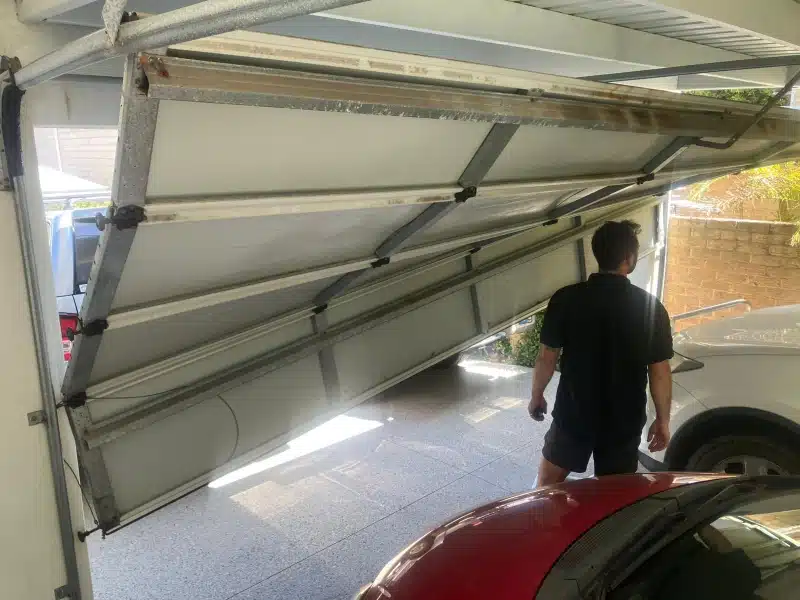
- Warning: If the door slams, looks bent, or your garage door makes loud noise when opening, stop immediately. Call a professional to avoid structural damage.
Garage Door Squeaking When Opening
If you notice your garage door squeaking when opening, the sound usually comes from dry rollers, hinges, or springs.
- The Fix: Clean parts with methylated spirits, wipe dry, then lubricate moving parts (avoid WD-40 as it attracts dirt).
- Pro Tip: This is the most common fix for a noisy roller door or noisy garage roller door, specifically when the rollers are dry.
Rattling Or Vibrating Noise
Rattling sounds come from loose screws, nuts, or brackets on the opener or tracks.
- The Fix: Tighten all hardware and inspect the chain or belt drives. You can also add rubber anti-vibration pads between the opener and the ceiling to stop the sound from traveling.
Scraping Or Rubbing Noise
Scraping usually means bent tracks, debris, or rollers dragging.
- The Fix: Clear blockages and check the rubber strip at the bottom of the door. If the garage door stays uneven during a balance test, book a professional service.
Popping Noise
Popping is a serious warning sign that torsion springs are shifting or failing.
- Safety Warning: Springs are under high tension and can cause serious injury. Do not attempt a DIY fix, contact a professional technician immediately.
5 DIY Fixes You Can Do In 15 Minutes
- Inspect Tracks: Remove debris and wipe thoroughly with a cloth.
- Tighten Hardware: Tighten loose screws, nuts, and bolts (be careful not to overtighten).
- Lubricate: Use silicone-based spray or white lithium grease on rollers, hinges, and springs.
- Check Rollers: Replace worn metal rollers with nylon rollers for a quieter door.
- Balance Test: Disconnect the opener, lift the door halfway, and release. A balanced door should stay in place.
When To Call A Garage Door Technician
If you cannot determine the cause of your noisy garage door, contact a professional. Annual servicing is recommended for balance, spring tension, and track alignment. Springs should always be checked by a professional. Repair services can fix small issues before they lead to a garage door making noise that is unmanageable.
Prevent Noisy Garage Doors (Maintenance Schedule)
Regular checks result in structurally sound garage doors that operate quietly:
- Monthly: Inspect rollers, tracks, hinges, and loose hardware.
- Every 6 Months: Lubricate moving parts and wipe tracks clean.
- Yearly: Book a professional service, especially in coastal areas where rust affects metal parts.
Tip: Upgrading from chain drives to belt drives can also reduce noise significantly.
Frequently Asked Questions
Why is my garage door so loud when opening or closing?
It usually means friction, loose parts, worn rollers, or lack of lubrication. It is the most common reason a garage door makes loud noise.
What does a popping sound from the garage door mean?
It often indicates torsion springs or spring tension issues. This requires a professional repair.
Should I be worried about a rattling garage door?
Yes. Loose hardware can worsen quickly and cause damage if not tightened.
How can I tell if my garage door rollers need replacing?
Look for worn wheels, metal rollers that grind, or rollers sliding instead of rolling. This is a common cause of a noisy garage roller door.
Can cold weather make garage doors louder?
Yes. Cold temperatures can stiffen grease and increase noise until the door warms up.
Conclusion
If your garage door making noise is annoying, start with cleaning, tightening, and lubrication. However, if your garage door makes loud noise, pops, or feels unbalanced, do not risk it.
Contact Slide & Glide now to book a garage door repair and get a quiet, safe garage door.

- How To Improve Your Garage Door Security - September 1, 2026
- Do I Need A Backup Battery For My Garage Door Opener - August 16, 2026
- DIY Vs Professional Garage Door Repairs - August 16, 2026

Social Media