

For busy Perth homeowners, the garage door opens and closes more than a thousand times a year, through 40-degree summers, red dust and salty sea breezes. Most of us only notice it when it groans or bangs. So how long should it last, and when is it time to replace it?
Most garage doors last 15 to 30 years. Openers manage 10 to 15. Standard torsion springs give out after around 10,000 cycles, roughly 7 to 12 years.
How Long Does A Garage Door Typically Last?
The average lifespan of a garage door is 15 to 30 years across most overhead door styles. Not all garage doors age at the same rate: material, usage, climate, installation and maintenance all shape a garage door’s lifespan. A well maintained garage door usually outlasts its opener and springs, so budget for the entire system, not just the door.
Garage Door Lifespan By Material
- Steel garage doors: 15 to 30 years with proper care. Steel doors are tough and low maintenance, but touch up scratches before rust takes hold.
- Aluminium garage doors: around 20 to 25 years. Aluminium doors resist rust, which suits coastal homes, but dent more easily than steel.
- Wood garage doors: 15 to 30 years with regular maintenance. Wood doors, usually called timber in Australia, need resealing to stop them cracking and warping in extreme heat.
- Fibreglass doors: rare in Perth. They won’t rust, but the finish can fade in strong sun.
How Long Do Garage Door Openers Last?
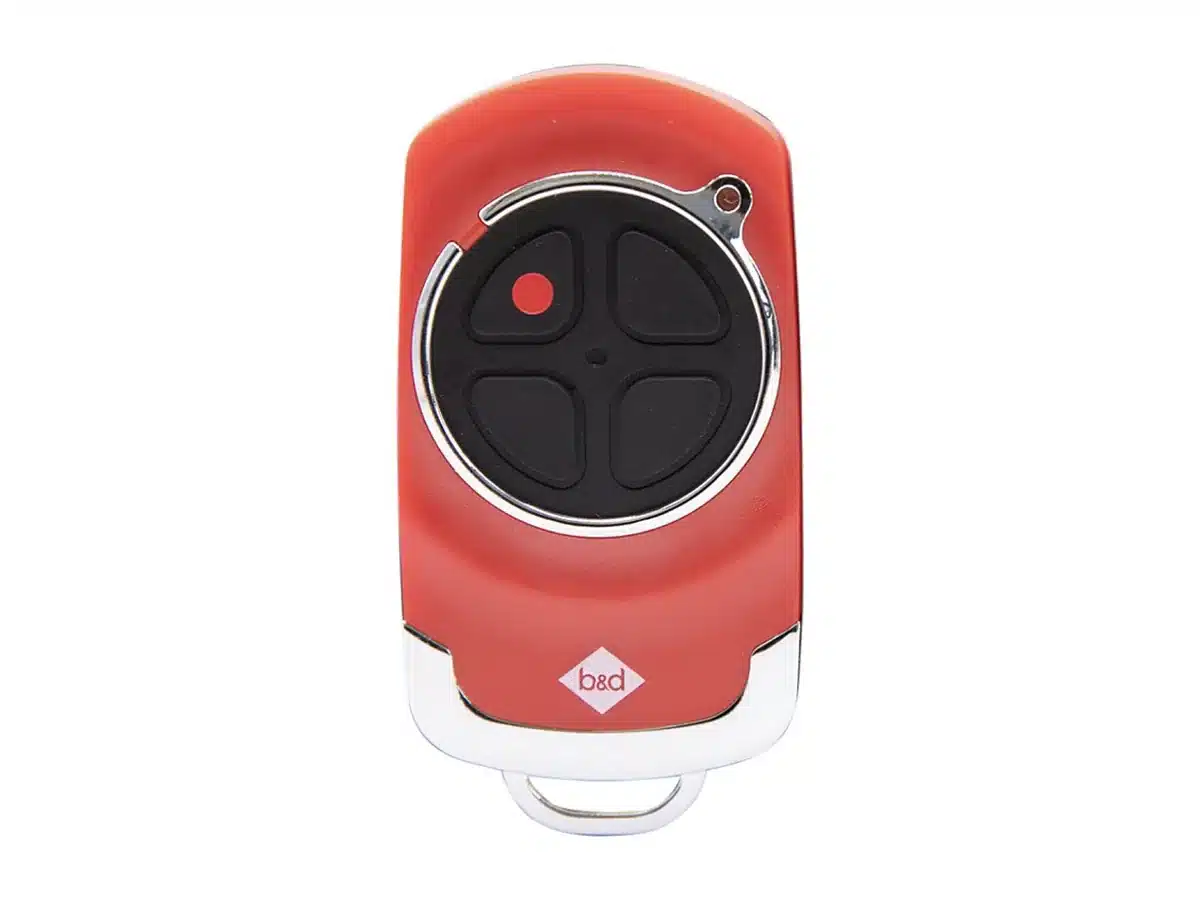
Most openers last 10 to 15 years. Warning signs: a straining motor, excessive noise or a door that reverses for no reason. Modern openers also bring enhanced security from rolling code remotes, plus modern safety features such as auto-reverse and obstruction sensing, so an older motor without them can be worth retiring. We fit each new garage door opener, from brands such as Merlin and B&D, to suit the door’s weight and set it up to AS/NZS 4505. In Quinns Rocks, a motor long overdue for a service had “reached the end of its practical lifespan”; a $190 service and a $1,150 motor (plus GST) left a “noticeably smoother, quieter system”.
How Long Do Garage Door Springs Last?
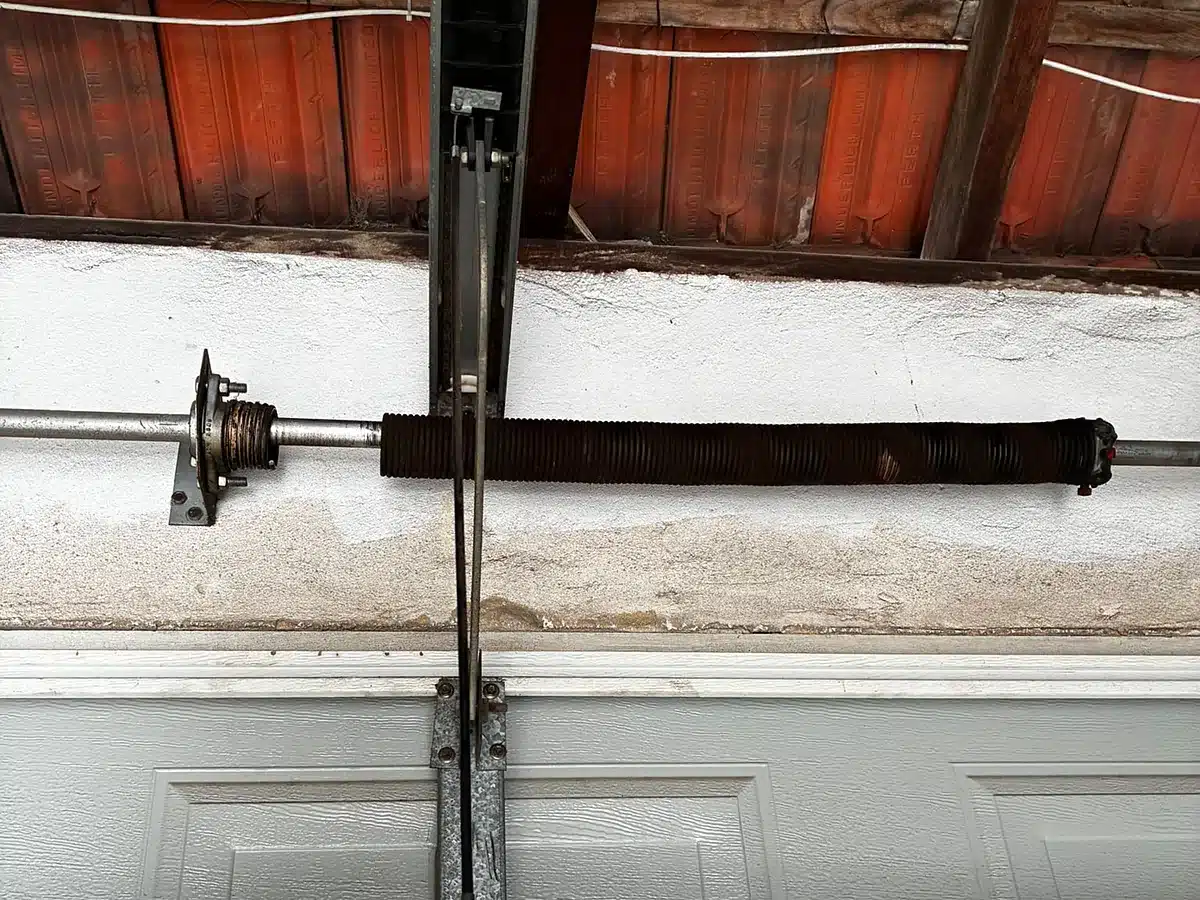
Springs carry much of the door’s weight, so they usually give out first. Standard torsion springs are typically rated for about 10,000 cycles, where one cycle is one opening and closing. Our own sums: at two cycles a day that’s around 14 years, at four only about seven. Extension springs on some doors wear the same way.
Worn out springs make the door feel heavy or jerky, and broken springs usually go with a bang that brings the whole house running. Spring tension is dangerous to work on, so leave garage door spring replacement to a technician. We fit high-cycle torsion springs, often rated around 20,000 cycles, chosen for the door’s actual weight, and our guide to torsion vs tension springs compares the types.
What Affects Your Garage Door’s Lifespan?
Various factors decide whether your door lasts 15 years or 30:
- Usage frequency: a door that runs six to eight times a day wears its springs, rollers and hinges far faster than one used twice.
- Climate: Perth’s weather plays a significant role. Near the coast in Fremantle or Rockingham, salt air carried by the Fremantle Doctor speeds up rust on hardware and components. On one Rockingham door, salt ate through the original seals in four years; after new seals, the owner said the garage went from an oven to a usable workspace. Inland in Ellenbrook or Midland, extreme heat, fine red dust and temperature changes wear seals and moving parts. See how weather affects garage doors.
- Installation: a poorly installed door wears unevenly and fails early. Our founder, Tyler Gefterman, started Slide & Glide after seeing too many installs that looked fine at handover turn into avoidable call-outs six months later. In Jindalee, a “noisy, jerky door that felt cheap” just had tracks left slightly out and spring tension never set; once fixed, “the whole system felt different”.
- Maintenance: the factor you control most. Regular servicing can add years to a door’s life.
Signs It’s Time To Replace Your Garage Door
Nobody likes buying a new door, and if yours is sound, we’d rather repair it. It’s time to replace your garage door when:
- There’s visible damage, such as rust, cracks or dents across several sections
- The door is unsafe or keeps failing, and repair costs keep adding up
- Strange noises or shaking continue after a service
A new door also sharpens your home’s kerb appeal, and an insulated one improves energy efficiency; we’ve seen 8 to 10 degree drops after an insulated install. Our garage door replacement service usually covers removing the old door and hardware, with an itemised, fixed quote showing the full cost so you can plan ahead.
How To Make Your Garage Door Last Longer
A few simple habits keep your door in good shape and extend its useful life:
- Do a visual inspection every six months, looking for worn rollers, loose hardware, frayed cables and rust.
- Keep up with lubricating moving parts such as rollers, hinges and bearings, but keep heavy grease out of the tracks.
- Wash the door every few months, more often near the coast.
- Book an annual service to catch wear and tear early. See how often garage doors should be serviced.
Frequently Asked Questions
Quick answers to common questions.
Is It Worth Repairing An Old Garage Door?
Often, yes. Grinding or rattling is almost always a maintenance issue, not a reason to replace. As a guide, if likely repairs over the next year would top about 30% of the price of a new door, replacement usually wins.
What Are The Early Signs My Garage Door Is Wearing Out?
Weird noises, shuddering, sagging sections and a straining motor are early signs. Act on unusual noises quickly, before one worn part strains the others.
Get The Most Life From Your Garage Door
Fifteen years or thirty? Installation, use and maintenance decide where yours lands. Look after it, act on early warning signs, and you’ll get the full life of your garage door.
Our team services, repairs and replaces doors across Perth, and our vans carry springs, hinges, rollers and opener components, so many faults are fixed on the spot. We’re rated 5.0 from more than 460 Google reviews. Book a service or a free measure and quote, or call 0489 266 468, to keep your door running and your home safe.

- How To Tension A Roller Door (And When To Call A Pro) - October 18, 2026
- How To Program A B&D Garage Door Remote - October 18, 2026
- How Long Do Garage Doors, Motors And Springs Last? - October 18, 2026
Social Media