

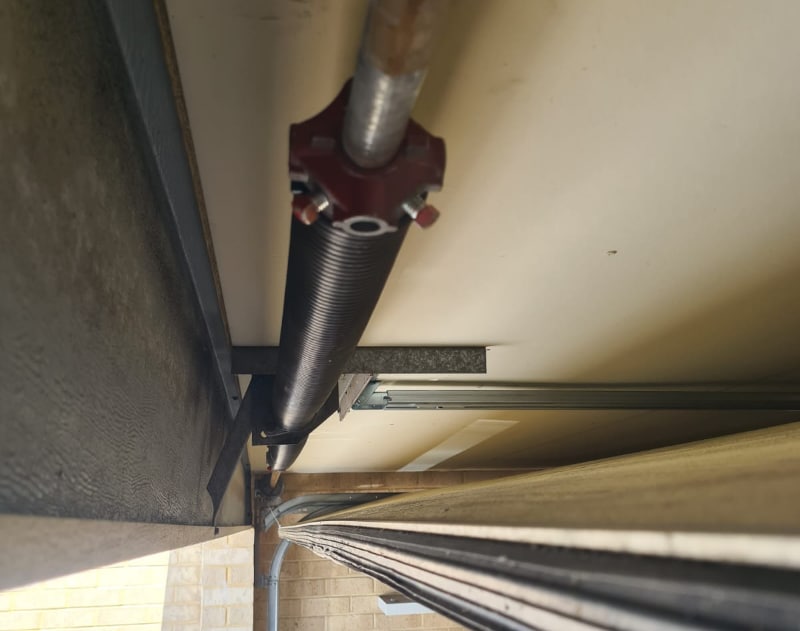
If your garage door feels heavy, shakes during a door opening, or closes with a thud, your springs are usually the reason. Garage door springs counterbalance the door’s weight so the automatic opener and garage door motor can move the door smoothly and close properly. When spring tension is wrong or a garage door spring breaks, the door can become unsafe fast, and a broken spring can cause serious injury if handled incorrectly.
Need Help Now? If your door is stuck, the door immediately stops mid-cycle, or you heard a loud bang, you might need a garage door spring replacement.
Book a qualified technician to prevent further damage to your home or property.
What Garage Door Springs Do And Why They Matter
Garage door springs do the heavy lifting. A properly tensioned spring does about 80% of the lift, which is why working springs are essential for safe operation. When springs wear, the opener compensates, which adds unnecessary strain to the garage door motor, cables, and hinges. That is how a small problem turns into door repair, damaged tracks, or a full replacement you did not plan for.
In Perth homes, springs often wear faster because of heat, dust, and coastal corrosion. Regular servicing and proper maintenance help, but every spring has a lifecycle and will eventually need replacement.
The Two Main Types Of Garage Door Springs
There are two main types of springs used in residential garage doors: torsion springs and extension springs. Both need to be properly balanced and tensioned to keep the door properly aligned and safe.
Torsion Springs
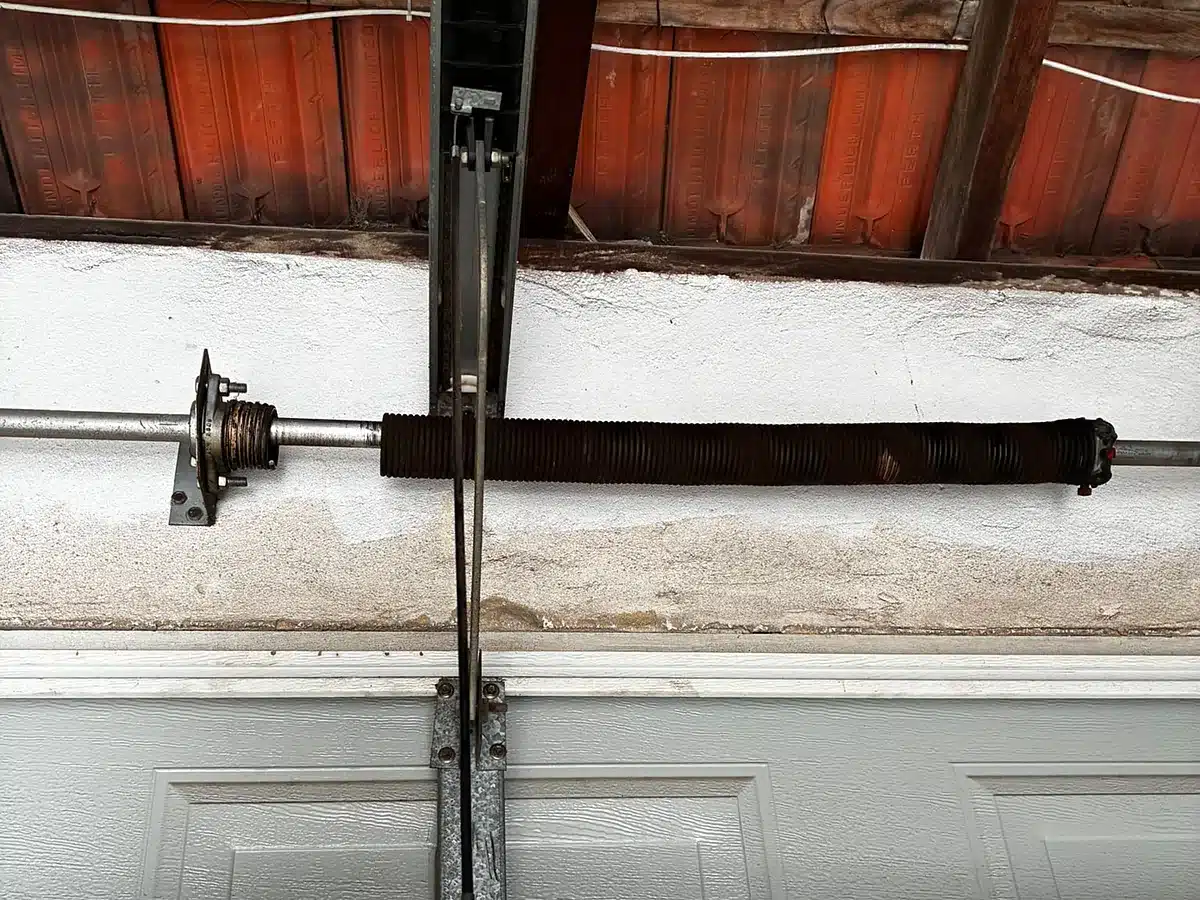
Torsion springs are mounted above the door opening on a shaft. They twist tightly when the door closes and unwind as it opens. This design creates stable, controlled lift and smoother operation.
Torsion springs generally last longer and handle wear better than extension springs. In Perth, torsion springs are the best-suited, most reliable, and safest option for modern, heavy, or high-use panel lift doors, including many sectional garage door systems.
Extension Springs
Extension springs sit along the sides of the door and springs stretch when the door closes. They contract to help lift the door as it opens. Extension springs are more common on older garage door systems and some tilt doors.
Extension springs typically have a shorter lifespan of 5,000 to 10,000 cycles and require safety cables to reduce risk if a spring breaks. Because of the way they release tension, extension springs can be more dangerous when they fail.
Which Spring Is Better For Double Garage Doors
Double doors are heavier, wider, and less forgiving. If you have a double sectional garage door, torsion springs are usually the better option because they handle the door’s weight with greater stability. Torsion springs are better equipped for larger, heavier, or insulated doors, and they reduce the risk of uneven lifting at the bottom corners.
A practical rule: if your door is wide, insulated, or used multiple times a day, choose torsion springs with a higher cycle rating, and replace two springs together when the system is designed that way. Most professionals recommend replacing both springs even if only one is broken to maintain balanced operation.
Are Torsion Springs Better For Windy Conditions In Perth
Yes, in most cases. Perth wind can push a door against tracks and seals, especially if the door is tall or exposed. Torsion springs provide steadier lift and better control through the full travel range, which helps the door close properly without wobble. That reduces the chance the door binds, lifts lopsided, or slams shut.
For properties near the coast or in open, windy corridors, torsion systems paired with proper tracks, firm brackets, and regular maintenance are the safest long-term choice.
How To Choose The Right Spring For Your Door Size
Choosing the right spring is not just “torsion vs extension.” It is matching spring coils and spring tension to your door’s weight, height, and design. That includes:
- Door type and lift path, including roller doors and sectional doors
- Door material and insulation, which changes the door’s weight
- Track setup and headroom above the door opening
- The number of daily cycles and expected wear
- The motor type and force settings for the automatic opener
Case Study: A Perth family upgraded to an insulated sectional garage door to reduce energy costs in an attached garage. The existing springs were under-sized, so the opener buzzed and stopped halfway. After a correct torsion spring replacement and balancing, the door stayed in place when lifted manually and the opener ran quietly with no strain.
Spring Lifecycles, Cycles, And What “High Cycle” Means
Garage door springs wear out from repeated cycles, rust, corrosion, and poor maintenance. Most springs last 7 to 10 years with regular use and proper care, but cycle life is a clearer measure than years.
- Standard torsion springs often start around 10,000 cycles
- Torsion springs last longer in many systems, commonly achieving 15,000 to 20,000 cycles
- Higher-cycle springs 20,000+ cycles are recommended for high-use households
- Extension springs typically sit in the 5,000 to 10,000 cycle range
Visual inspections should include checking for rust, wear, and gaps. If there is a gap in a torsion spring, it is broken. If the door does not stay in place when manually lifted, springs may be unbalanced or under-tensioned.
How Much Does It Cost To Replace Garage Springs In Perth
The cost varies depending on spring type, door weight, and labour. As a guide:
- Torsion spring replacement: typically $192 to $371 for parts and labour
- Extension spring replacement: typically $98 to $200
- Emergency repairs or same-day service: may add $50 to $150
Costs can increase if the door has other issues like worn cables, bent tracks, damaged hinges, or incorrect spring sizing that has caused further damage. Watch for hidden fees by asking for an itemised quote and confirming whether both springs will be replaced if you have a two-spring setup.
Can I Replace My Garage Springs Myself
No. Attempting to adjust, re-tension, or replace garage door springs yourself is dangerous and not recommended. Springs operate under high tension and extreme tension. If handled incorrectly, a spring can whip, tools can slip, and components can move suddenly. That is how serious injury happens.
Professional garage door spring replacement services ensure the job is done safely, quickly, and correctly. Hiring a professional gives peace of mind and often includes a workmanship warranty, plus it reduces downtime and the risk of costly mistakes.
How Long Does Garage Spring Installation Take
Most technicians can complete garage door spring replacement within a few hours, depending on spring type and the condition of the garage door systems.
Typical timing ranges:
- Torsion springs: usually 1 to 2 hours
- Extension springs: often 30 to 45 minutes
Timing can vary depending on access, door design, and whether the door needs balancing, cable checks, or opener adjustments.
Garage Spring Replacement Vs Full Door Replacement
If your garage door spring breaks, it does not mean you need a new garage door. In most cases, a spring replacement is the correct fix. Full replacement makes sense when the door panels are damaged, the door design is outdated, or the system has multiple failures and repeated repairs.
A simple way to decide:
- Replace garage door springs if the door is structurally sound and the issue is balance, lift, or a broken spring
- Consider a full replacement if the door is badly bent, heavily rusted, or you need a major upgrade in style, security, or energy efficiency
This applies to most types of garage door, from older tilt setups to modern sectional doors. Commercial roller doors also use high-cycle components, but residential systems are usually the focus for Perth homeowners.
Best Garage Spring Brands In Australia And Warranty Questions
Most homeowners should focus less on brand names and more on correct sizing, cycle rating, and installation quality. Even a premium spring fails early if spring tension is wrong or the door is not properly balanced.
When comparing options, ask about:
- Cycle rating and whether higher-cycle springs are available
- Corrosion resistance for coastal Perth suburbs
- Workmanship warranty on labour
- Whether regular servicing is required to keep warranty valid
A good provider will explain the difference between standard and high-cycle springs and recommend what suits your usage, not just the cheapest option.
Maintenance Tips That Extend Spring Life
Regular maintenance, lubrication, and visual checks make a real difference. It is recommended to service garage door springs every 12 to 18 months to keep them in good working condition.
A practical checklist:
- Watch the door open and door closes smoothly, without shaking or jerks
- Listen for creaks, squeaks, or a loud noise that suggests tension issues
- Check spring coils for rust, wear, or gaps
- Test balance: lift the door halfway by hand. If it drops or rises, it is not properly balanced
- Keep tracks clean and hardware tight to reduce load on the springs
This routine helps prevent emergency repairs and reduces unnecessary strain on the opener.
Warning Signs Your Springs Are Failing
Spring problems often show up before the spring breaks. The most common warning signs include:
- The door feels heavy, or the door properly lifts only with effort
- The door stops halfway, refuses to close properly, or reverses
- You hear a loud bang or loud noise from the garage
- The door lifts lopsided, with one side higher than the other
- The door shakes, moves unevenly, or slams shut
- The opener strains, buzzes, or the garage door motor sounds overloaded
- Cables look slack or loose, which can happen when springs are failing
If you notice these signs, book a qualified technician before a broken spring causes further damage.
Frequently Asked Questions
Do All Garage Doors Need Springs?
Yes. Nearly all residential garage doors rely on springs to counterbalance the door’s weight, whether you have roller doors, a sectional garage door, or an older tilt design. Without springs, the opener cannot lift the door safely.
Are Extension Springs Ever The Right Choice In Perth?
Sometimes. If a garage has very little space above the door opening, extension springs might be the only viable option, though this is rare in modern installations. If extension springs are used, safety cables and regular maintenance are essential.
Should I Replace One Spring Or Two Springs?
If your system uses two springs, replacing both is usually the safest choice. Even if only one spring is broken, the other has similar wear and can fail soon, which affects balanced operation and safe operation.
What Should I Do If My Garage Door Spring Breaks?
Stop using the door immediately. Do not force the door with the opener and do not try to lift it manually if it feels unsafe. A broken spring makes the door heavy and increases safety risk. Book professional help to prevent serious injury and avoid damage to the garage door systems.
Can A Spring Problem Increase Energy Costs?
Yes. When springs are worn, the door may not close properly, leaving gaps that affect energy efficiency, especially for garages attached to living spaces. A properly balanced door seals better and helps manage energy costs.
Conclusion
Choosing garage door springs which is right for your perth home comes down to safety, stability, and matching the spring system to your door’s weight and usage. For most Perth homes, torsion springs deliver smoother operation, longer lifecycles, and better control for modern sectional doors, especially when the door is large, insulated, or used often. Extension springs can work on older systems, but they demand stricter safety measures and regular maintenance.
If your door feels heavy, you heard a loud bang, or you suspect a broken spring, do not risk DIY. Request a free quote for garage door spring replacement and get a professional installation that restores safe operation and protects your opener.

- How To Tension A Roller Door (And When To Call A Pro) - October 18, 2026
- How To Program A B&D Garage Door Remote - October 18, 2026
- How Long Do Garage Doors, Motors And Springs Last? - October 18, 2026
Social Media