


It’s 2am and you’re woken by the rumble of the garage door. Or you get home to find it wide open when you know you shut it that morning. Either way it’s unnerving, and it leaves your car, your tools and often your house exposed.
A garage door opening by itself, often called a phantom opening, is usually caused by a stuck remote button, a faulty wall button or its wiring, misaligned safety sensors or an old remote that’s still coded to your opener. If the door closes and then goes straight back up, the safety system is reacting to something in its path.
Work through these checks in order:
- Note when it happens: straight after closing, or at random times.
- Take the batteries out of every remote and keypad for a day or two.
- Wipe the safety beam lenses and check both lights are steady.
- Clear the door’s path, including the tracks and the bottom seal.
- Erase the opener’s memory and re-pair only the remotes you trust.
- If it keeps happening, unplug the opener when you’re away and call a technician.
Reversing Or Opening At Random? They’re Two Different Problems
When the door moves matters more than anything else, because it points to very different causes.
- It closes, then goes straight back up: the opener thinks it has hit something. That’s the safety system doing its job, set off by the beams, an obstruction or a door that’s harder to move than it should be.
- It opens hours later, or in the middle of the night: something is sending an open command. That’s usually a remote, the wall button, its wiring or a remote you’ve forgotten about.
Why A Garage Door Goes Back Up Right After Closing
We set up every automatic door we install to AS/NZS 4505, including the auto-reverse that sends a door back up when it meets resistance. So a door that bounces back up is usually protecting someone, and the job is finding what it’s reacting to.
Blocked Or Misaligned Safety Beams
Most automatic doors have a pair of safety beams near the floor, one on each side of the opening. If dust, a spiderweb or a bin breaks the beam, or a knock pushes one sensor out of line, the door won’t close. Dust carried in on the Fremantle Doctor is a regular cause in Perth, and late afternoon sun shining straight into a sensor can blind it too. Wipe both lenses with a soft cloth and adjust the brackets until each sensor’s light is steady.
Something In The Door’s Path
The opener also reverses when the door itself touches something on the way down. Bikes, bins, a ladder leaning on the track or a warped bottom seal can all do it. Close the door from the wall button and watch exactly where it turns around. Seals wear out too. On a pair of 1990s roller doors in Balcatta, the bottom seals had gone brittle and cracked, so neither door was closing properly against the floor. New seals and a full service sorted both.
A Door That’s Stiff Or Heavy
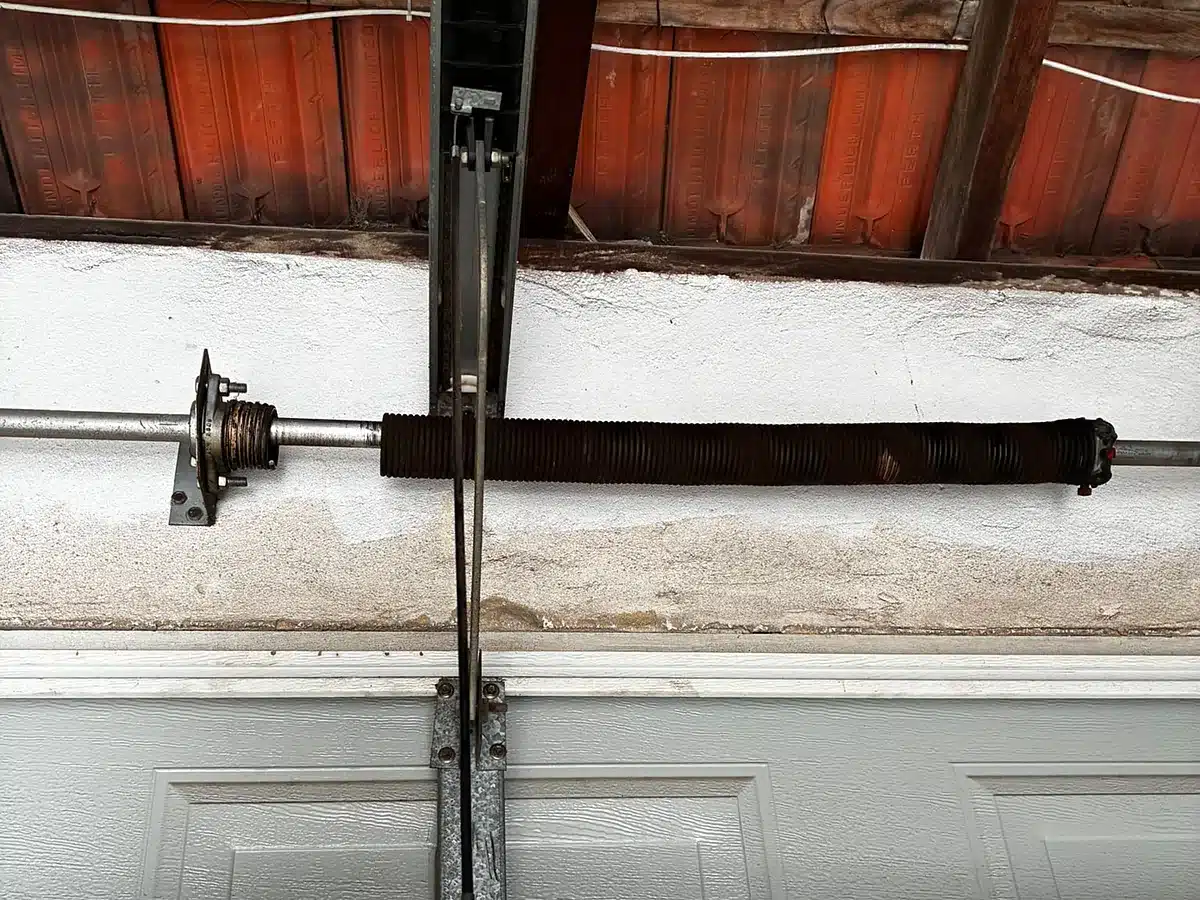
If the tracks are dirty, the rollers are worn or a spring has lost tension, the opener has to push harder and can mistake that effort for an obstruction. With the door closed, pull the manual release and lift the door halfway by hand. A balanced door stays put. If it drops, shoots up or feels much heavier than usual, stop there, because the springs need a technician. Either way, re-engage the opener before you leave the door. In Gwelup, a door that had shifted out of alignment was straining its cables and hinges, and it no longer travelled smoothly. We realigned it, replaced the cables, fitted a steel-lined hinge in place of a damaged one and installed a new Superlift 1200N opener with Wi-Fi.
Limit Settings That Have Drifted
The opener stores where fully open and fully closed should be. After a power cut, a manual release or years of wear, those limits can drift, so the opener thinks it has reached the floor early and reverses. Your manual covers resetting them, though we’d rather do it on most models, because the force settings need checking at the same time.
Why A Garage Door Opens At Random Times
A door that opens on its own, with nobody near it, is responding to a command. The task is finding where it’s coming from.
A Remote With A Stuck Button
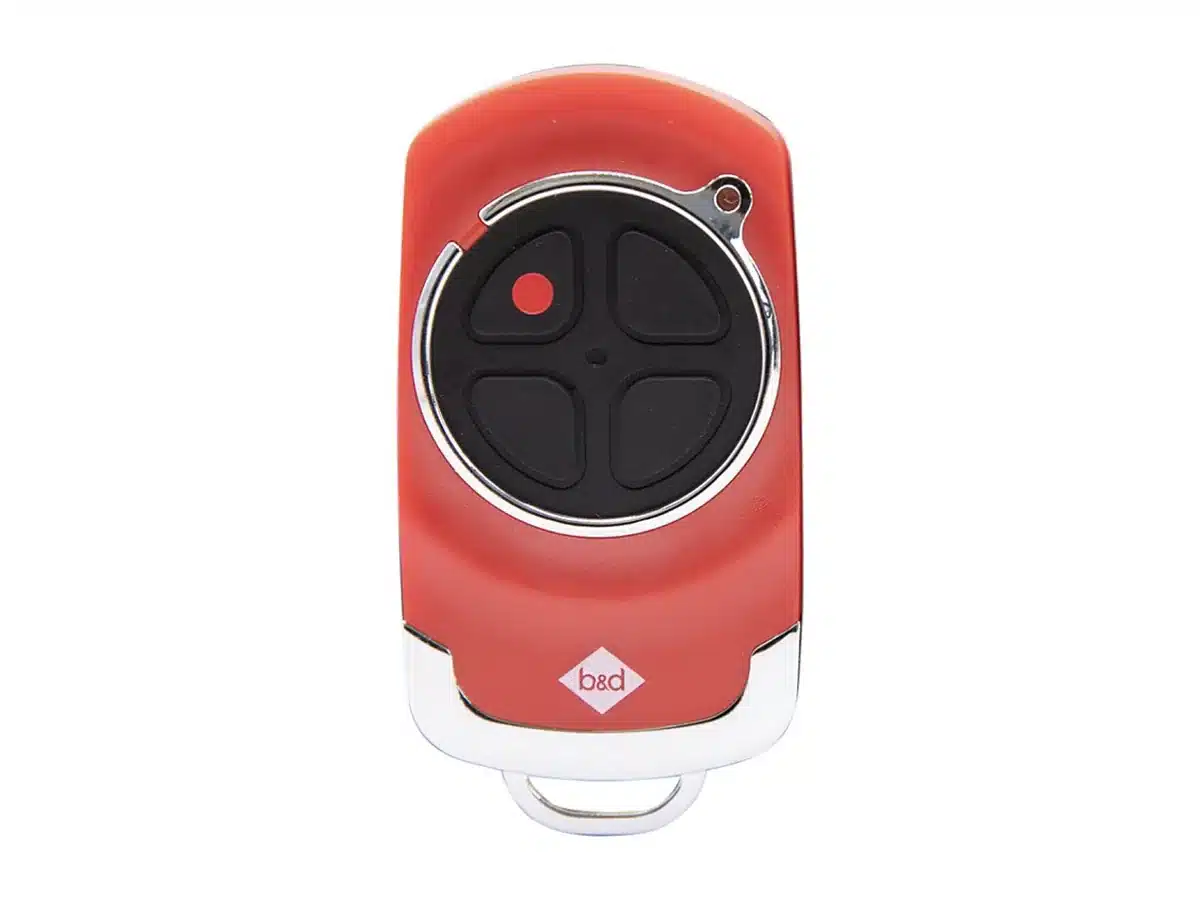
A remote squashed in a handbag, wedged under a car seat or jammed against the console can hold its button down and keep opening the door. On many openers, the light next to the learn button flickers whenever the opener receives a signal. If it flickers with nobody touching anything, a remote or the wall button is transmitting. Take the battery out of each remote, one at a time, until the flickering stops.
A Faulty Wall Button Or Wiring
A wall button that’s stuck, damaged or shorted can send an open command by itself, and so can thin low-voltage wiring that’s been crushed, chewed or corroded. If you’re comfortable doing it, unplug the opener, disconnect the wall button’s wires from the terminals on the motor and leave them off for a few days while you use the remotes. Leave the safety beam wires alone. If the openings stop, the wall button or its wiring is the culprit. Faults in the opener’s own controls can look similar. On a roller door in Scarborough, the door had started stopping halfway and the control panel had become unreliable. The fault was in the motor and its control system, so we fitted a new, higher-capacity motor and recalibrated the limits and auto-reverse.
A Neighbour’s Remote Or A Forgotten One
Modern rolling code openers make it very unlikely that a neighbour’s remote opens your door. Older fixed-code openers, set with tiny DIP switches, are a different story. So is any remote that’s still coded to your opener, whether it belonged to the previous owners, a tenant or a tradie who had access during a build. Erasing the opener’s memory and re-pairing only your own remotes rules all of these out. Our step-by-step guide to re-code your garage opener also covers what to do if a remote was stolen.
Power Surges After A Storm
Lightning and surges during Perth’s winter storms can scramble an opener’s electronics, so the door may open when the power returns or behave erratically afterwards. If the trouble started after a storm, unplug the opener for a minute, plug it back in and test it. Repeated problems usually mean the control board needs checking. If blackouts are common in your street, a backup battery for your garage door opener keeps the door working when the power’s out.
Auto-Close, Apps And Shared Access
Smart openers can run on schedules, close from a phone and be shared with family, tenants or a dog walker. Before you suspect a fault, check the app’s activity history and who has access, and look for an auto-close or schedule setting someone may have switched on. Many openers flash and beep before an automatic close, which is worth knowing if the door seems to move without anyone pressing a button.
How To Stop A Garage Door Opening By Itself
Work through these steps in order. Most phantom openings are solved by step three or four.
- Isolate the remotes. Take the batteries out of every remote and keypad, and unplug any smart controller, for a day or two. Use the wall button only.
- Clean and align the safety beams. Both sensor lights should be steady, with nothing in between.
- Watch a full cycle. Open and close the door from the wall button and look for shuddering, scraping or a reversal near the floor.
- Erase and re-pair. Clear every stored remote from the opener, then pair the remotes and keypads you trust, one at a time.
- Test the wall button. If it still happens with every remote out of the picture, the wall button, its wiring or the opener’s board is next.
- Unplug it when you’re away. Until the fault’s found, unplugging the opener and locking the door between the garage and the house keeps you secure.
If the remotes themselves are playing up as well, our guide to a garage remote control not working covers the common fixes.
Could Someone Be Hacking My Garage Door?
It’s very unlikely. Current openers use rolling codes that change every time you press the button, so a recorded signal won’t open the door a second time. The real risks are older fixed-code openers, remotes left in unlocked cars and remotes you’ve lost track of. If your door has opened unexpectedly, erase the opener’s memory, change any keypad PIN and lock the internal door. Our guide to improve your garage door security covers locks, lighting and smart alerts.
When To Call A Technician
Call us if the door still opens after you’ve removed every remote and cleaned the beams, or if you spot damaged wiring. A heavy, noisy door needs a technician too, and so does a garage door motor that’s beeping or flashing a fault. Our vans carry remotes, safety beams and opener components, so we can test the receiver, the wall button and the wiring and handle most garage door motor repairs in one visit. If the door won’t close and you can’t leave the house open overnight, our emergency garage door repair team is typically on site within 60 to 120 minutes across the Perth metro area.
Frequently Asked Questions
Here are the questions we’re asked most about phantom openings.
Why Did My Garage Door Open In The Middle Of The Night?
Night-time openings usually come from a stuck remote button or a faulty wall button. A remote you don’t know about, still coded to your opener, is the other common cause. Pull the batteries from every remote, then erase the opener’s memory and re-pair your own.
Can Someone Else’s Remote Open My Garage Door?
On a modern rolling code opener, only if that remote has been paired to it. Older fixed-code openers can be opened by any remote with matching switch settings. Erasing the memory and re-pairing your own remotes fixes both.
Why Does My Garage Door Close And Then Open Again?
The opener has detected an obstruction. Check the safety beams, clear the door’s path and look for a stiff or heavy door. If none of that helps, the limit or force settings need adjusting.
Can A Power Surge Make My Garage Door Open?
Yes. A surge can scramble the opener’s electronics or memory, especially during storms. Unplug the opener for a minute, plug it back in and test it. Ongoing problems mean the control board should be checked.
How Do I Stop My Garage Door Opening Or Closing Automatically?
Remove the batteries from any suspect remote, then check the opener’s settings and app for an auto-close timer or schedule. Turn those off, and review who else has app access.
Get Your Garage Door Staying Shut Again
A phantom opening always has a cause, and it’s usually one you can find with the steps above: a stuck remote, a blocked beam or a forgotten code. Once it’s fixed, you can sleep through the night without listening for the garage.
If it’s still happening, we’ll track it down. Give us a call on 0489 266 468 or book a service online, and we’ll get your door closing and staying closed.

- How To Tension A Roller Door (And When To Call A Pro) - October 18, 2026
- How To Program A B&D Garage Door Remote - October 18, 2026
- How Long Do Garage Doors, Motors And Springs Last? - October 18, 2026
Social Media