

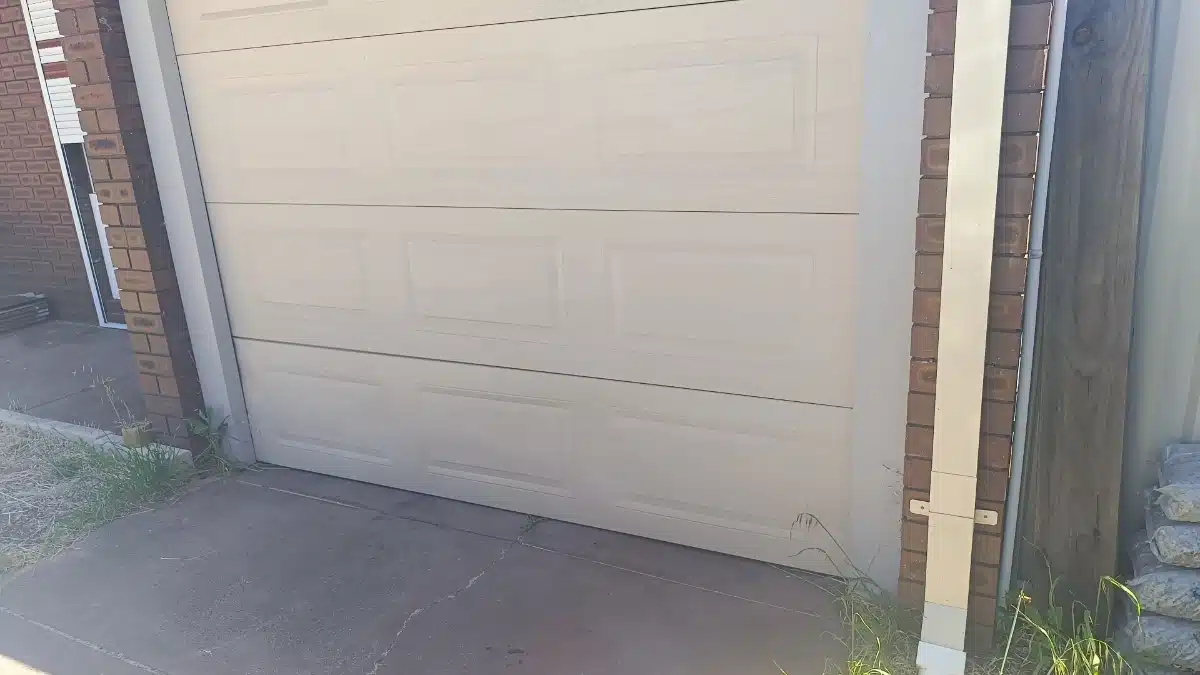
A garage that turns into an oven by mid-morning in January or holds the cold through a July night is doing more than making the space uncomfortable. It is pushing your cooling systems harder, driving up energy bills, and bleeding conditioned air out of every room that shares a wall with it. Insulating your garage door is one of the most practical upgrades you can make to cut heat transfer, reduce outside noise, and turn a neglected garage space into something usable.
We insulate garage doors across Perth every week at Slide and Glide, from single panel doors in Balcatta to double garage doors on new builds in Mundijong.
This guide covers the types of garage door insulation available, the benefits of an insulated door, and how to handle the installation process yourself or when to call in professional installation.
Why Insulating Your Garage Door Makes A Difference
An uninsulated garage door is the largest unprotected surface on most homes. Metal garage doors conduct heat rapidly, turning your garage into an extension of whatever the weather is doing outside. In Perth, the door surface can reach extreme temperatures on a 40-degree day, radiating heat into adjacent rooms and forcing your air conditioning to work overtime.
Adding a thermal barrier to the door panels slows heat flow in both directions. In summer, it keeps the garage cool enough to work in and reduces radiant heat pushing into living spaces. In winter, it limits heat loss from attached garages, which means your home’s energy efficiency improves without touching the garage walls or ceiling. For energy efficient homes, reducing greenhouse gas emissions starts with eliminating the weak points, and an uninsulated garage door is usually the biggest one.
The benefits extend beyond thermal efficiency. An insulated door dampens external noise, which matters if your garage faces a busy road or you have a noisy garage door motor. Traffic noise, power tools from neighbouring properties, and the rumble of the door itself all drop once insulation panels are fitted. If you use the space as a home gym, workshop, or storage space, a well insulated garage changes how the room functions.
Alessandro from our team insulated a sectional garage door for a homeowner in Canning Vale who had converted half the garage into a home gym. The uninsulated door meant the space was unbearable by 10am from October through March. After fitting polystyrene panels to every door panel, the temperature dropped enough that he could train through the afternoon without the portable air conditioning unit he had been running. The drop in utility bills from retiring that unit alone covered the upfront cost within a few months.
Types Of Garage Door Insulation
Choosing the best garage door insulation depends on your door type, your budget, and what you want to achieve. Here are the three options we work with most.
Polystyrene Panels
Polystyrene panels are rigid, lightweight boards custom cut to fit inside the recessed sections of sectional garage door panels. They offer high thermal resistance relative to their thickness and do not add significant weight, so door operation stays smooth. Expanded polystyrene (EPS) is the most common type used on garage doors in Australia. It is an affordable garage door solution that is easy to handle and effective at reducing heat transfer through panel doors.
Rigid Foam Panels
Rigid foam panels, typically extruded polystyrene (XPS) or polyisocyanurate, deliver higher insulation performance per centimetre than standard EPS. They cost more, but for attached garages where the garage shares walls with living spaces, rigid foam panels are the stronger choice. They resist moisture absorption and hold their R-value over time without sagging or compressing.
Reflective Foil
Reflective foil works differently from foam-based products. Instead of slowing conductive heat transfer, it reflects radiant heat away from the door surface. In Perth, where direct sun hits west-facing garage doors for hours during summer, reflective foil makes a measurable difference to how much heat enters the garage. It is thinner than foam panels, which suits roller doors and situations where clearance for the door’s movement is tight. Some installations combine reflective foil with a foam layer for both radiant and conductive resistance.
How To Insulate Your Garage Door Step By Step
If you have a sectional garage door with recessed panels, this is a project most homeowners can complete in a few hours. A garage door insulation kit from a hardware store contains pre-cut insulation panels and retention clips for easy DIY installation. Alternatively, you can buy foam panels in bulk and custom cut them to your door dimensions for a lower cost per panel.
Start by measuring each door panel individually. Panel dimensions can vary slightly from top to bottom, even on the same door. Measure the width and height of each recessed section and note any differences. Cut your foam panels to fit snugly inside each recess, trimming about 5mm short on each edge so they sit flush without bowing.
Clean the door surface before fitting anything. Dust, oil, and cobwebs reduce adhesive bond strength. A damp cloth followed by a dry wipe is enough. If you are using adhesive-backed insulation or a DIY kit with tape strips, press the panels firmly into each recess and hold for 30 seconds. For clip systems, snap the clips into the door panel and press the insulation into place.
Work from the bottom panel upward. The bottom panel collects the most grime and takes the most contact, so fitting it first while you are fresh reduces the chance of a sloppy fit where it shows most.
Once all panels are fitted, operate the door manually a few times before re-engaging the motor. You are checking that the added thickness does not interfere with the door’s movement and that the insulation panels stay seated during the cycle. On most sectional garage doors, the clearance is generous enough that standard panels cause no issues.
After confirming smooth operation, seal gaps along the sides, top, and bottom with weather stripping or rubber seals. This final step is where insulation effectiveness jumps noticeably, because even a well insulated door loses its advantage if cold air or hot air leaks around the edges.
When Professional Installation Makes Sense
Not every garage door suits a DIY approach. Roller doors, tilt doors, and older sectional doors with non-standard panels can be difficult to insulate without experience.
Adding weight to the door also changes the balance of the spring system. On a well-maintained door, the weight of foam panels is usually within tolerance, but on an older door where the springs are near the end of their life, the added load can strain the mechanism or cause uneven lifting.
If your door feels heavy to lift manually before insulation, or does not stay open at the halfway point when disconnected from the motor, the springs need adjustment. Spring work on garage doors is not a DIY job. The tension involved is dangerous, and incorrect adjustment can cause injury.
Our Slide and Glide technicians handle insulation from start to finish, including spring adjustment, panel fitting, weather sealing, and testing door operation and motor operation under the new load. We also assess whether your existing door is worth insulating or whether a factory-insulated replacement would deliver better insulation performance and energy savings long term.
Liam from our team visited a property in Joondalup where the homeowner had insulated a 20-year-old tilt door with rigid foam panels glued to the inside face. The panels had peeled after two summers, and the weight had thrown the door off balance so the opener strained on every cycle. We removed the failed insulation, replaced the tilt door with an insulated sectional garage door, and the difference in motor operation, acoustic performance, and thermal insulation was immediate. The owner said the garage went from the loudest room in the house to the quietest.
How To Insulate Your Garage Door Frequently Asked Questions
Here are the questions we hear most from Perth homeowners about garage insulation.
Is It Worth Insulating A Garage Door?
For attached garages, insulating the door reduces energy consumption by limiting heat transfer between the garage and adjacent rooms. The improvement in year round comfort, lower energy bills, and noise reduction makes it one of the highest-value upgrades for the price. Even for detached garages, insulation turns the space into a usable room rather than somewhere you avoid for half the year.
What Is The Best Garage Door Insulation For Perth?
Polystyrene panels suit most Perth garage doors. They provide effective thermal insulation without excessive weight and resist the moisture and heat cycles our climate produces. For west-facing doors that take direct afternoon sun, adding reflective foil behind the foam panels gives the best combined result against radiant heat and conductive heat flow.
Can You Insulate A Roller Door?
You can, but the method differs. Roller doors coil into a barrel above the opening, so any insulation must be thin enough not to interfere with the rolling mechanism. Reflective foil is the most common choice for roller doors. Rigid foam panels are too thick for most roller doors and will jam the barrel or prevent the door from coiling properly.
Does Insulation Affect Garage Door Operation?
Lightweight insulation panels like polystyrene have minimal impact on door operation. Heavier options or multiple layers can affect spring balance, which is why we recommend testing manually before reconnecting the motor. If the door feels sluggish, does not stay open, or the motor strains, have a technician check the spring tension.
Keep Your Garage Comfortable Year Round
Whether you want to improve energy efficiency in an attached garage, reduce external sounds from a busy street, or create a quieter environment for a workshop or home gym, insulating your garage door delivers results from day one.
At Slide and Glide, we supply and install garage door across Perth, from single panel doors to double garage doors, matched to your door type and goals. Contact us on 0489 266 468 or request a quote online and we will measure, fit, and test everything so your insulated garage performs exactly as it should.

- How To Improve Your Garage Door Security - September 1, 2026
- Do I Need A Backup Battery For My Garage Door Opener - August 16, 2026
- DIY Vs Professional Garage Door Repairs - August 16, 2026

Social Media