

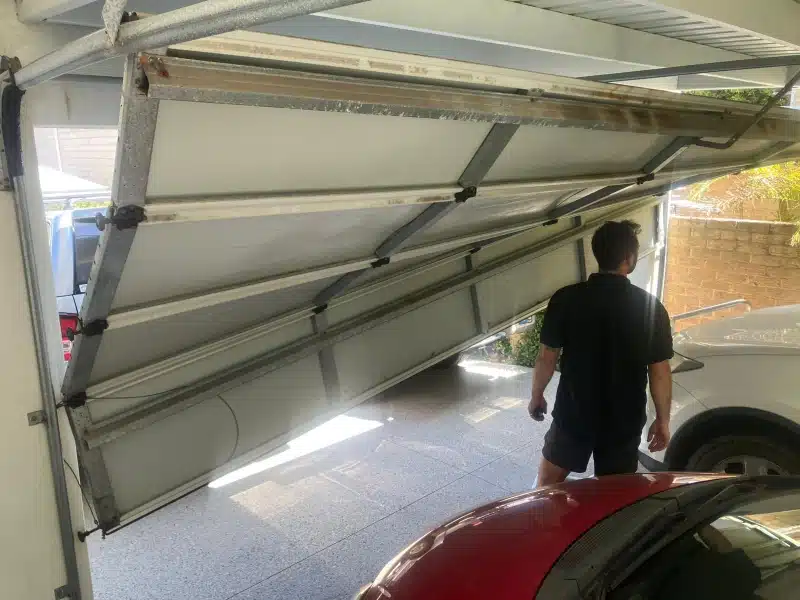
A malfunctioning garage door is annoying, and it is tempting to grab the toolbox and sort it yourself. Sometimes that is the right call, and sometimes it is a quick way to a bigger bill or a nasty injury. The truth about DIY vs professional garage door repairs is that it depends entirely on the job, and a garage door is heavier and more tightly wound than it looks.
Some fixes are simple and safe. Others involve high tension parts that send thousands of people to hospital each year. This guide sorts the diy garage door repairs you can handle from the ones that need professional garage door technicians, so you know when to reach for the spanner and when to call us. Getting that judgement right protects your safety, your warranty and your budget.
Common Garage Door Problems And Their Causes
At first glance a faulty door can be hard to read. The common culprits are worn garage door springs, a garage door opener that will not respond, misaligned tracks, worn metal rollers, or a door that will not close properly. Some have a simple root cause you can fix in minutes, while others hide a serious fault behind the obvious symptom. Weather, age and daily wear all play a part, and a door that is showing signs of trouble rarely fixes itself. Knowing which is which protects both your safety and your wallet.
Repairs You Can Safely Do Yourself
Plenty of routine jobs are genuinely DIY friendly, and doing them well keeps the door’s operation smooth. Safe diy repairs and diy projects include:
• Cleaning the tracks and lubricating hinges, rollers and the counterbalance system so the door keeps running smoothly.
• Replacing the remote batteries when the remote stops working.
• Realigning safety sensors that have been bumped out of line, so the door will close properly again.
• Tightening loose set screws, bolts and brackets with a spanner.
• Swapping a worn weather seal along the bottom of the door.
• Clearing debris from the tracks and wiping the photo eye sensors so they read clearly.
These minor repairs and minor adjustment jobs need no special training, and they can save money on call outs. Done regularly, they also lift your curb appeal by keeping the door looking and sounding its best. If a job needs more than a spanner, a ladder and 15 minutes, it is usually worth a second look.
Repairs That Always Need A Professional
Other faults are firmly in professional territory. Attempting DIY repairs on these can cause serious injury or wreck the entire door:
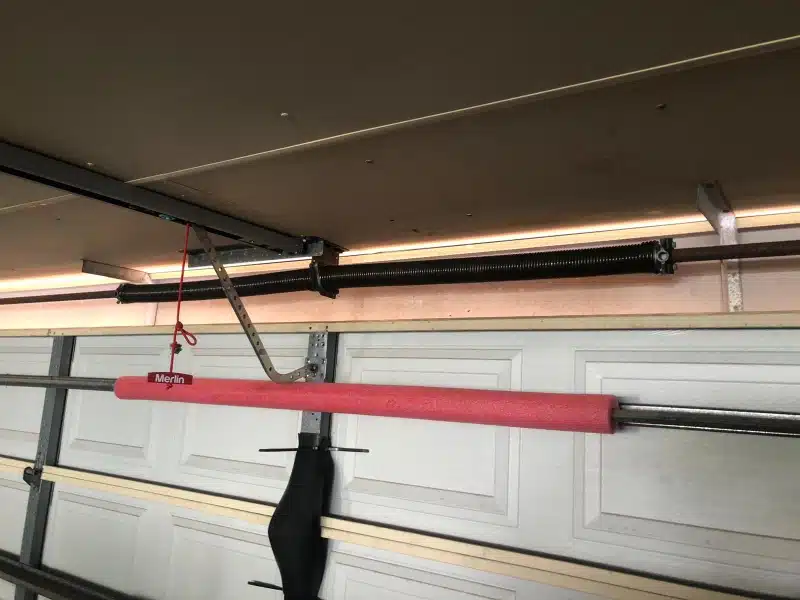
• Broken spring replacement, especially torsion springs, which hold enormous stored energy under extreme tension.
• Snapped or frayed cables, which can whip with enough force to cause severe injuries.
• A garage door opener motor fault or damaged electrical components, which is licensed electrical work in WA.
• A door off its tracks, track realignment, or a bent panel replacement.
• Any repair where the diagnosis is unclear and the whole garage door system needs assessing.
• A door that has become a safety hazard, such as one hanging at an angle or sagging under load.
For all of these, professional garage door repairs are the safe, correct choice. Our professional technicians and certified technicians carry the right gear and know exactly how the parts work together, ensuring safety at every step. They also carry the specialised tools most homeowners simply do not own.
The Real Risks Of DIY Spring And Cable Work
The single biggest danger is the high tension springs. A wound torsion spring holds enough stored energy to break bones, and a diy attempt with the wrong winding bars is potentially dangerous. Garage doors weigh between 70 and 180 kg, so a spring that lets go makes a loud bang and can become a safety hazard in a split second. Frayed cables under load are just as risky. This is a genuine safety risk and one of the fastest ways to cause property damage or serious harm, which is exactly why proper training matters.
Every year thousands of people are hurt attempting this kind of repair, and in Western Australia electrical work on an opener legally requires a licensed professional.
DIY Vs Professional: The Cost Comparison
DIY looks cheaper at first, but the numbers can flip. Buying specialist tools for a one off job, plus the cost of mistakes, means diy repairs can cost more in the long run. A botched fix can cause further damage, and many DIY jobs void warranties or breach the warranty coverage on your door. Professional repairs usually save money over time by getting it fixed properly the first time, and most come with a workmanship guarantee. Add in the value of your time and a second trip to the hardware store, and the maths often favours a pro from the start. For anything structural or high tension, professional service is the cost effective choice.
How To Decide When To DIY Or Call A Pro
When you are on the fence, run through three quick questions. Is the part under tension, like a spring or cable? Do you have the right tools and a second person? Is the door still under warranty? If the answer to any is uncertain, stop. As a rule, many homeowners are fine with cleaning, lubricating hinges and battery swaps, but broken springs, cables, openers and electrical hazards belong with a professional garage door team. When two or more answers point to risk, calling a professional is simply the smart move.
Preventative Maintenance That Reduces Repairs
The best repair is the one you avoid. A simple garage door service every 6 to 12 months keeps the whole garage door system healthy: we lubricate, tighten, test the balance, check the safety sensors, and catch small issues before they grow. Regular care extends the life of your garage door springs and opener, protects the door’s operation, and keeps everything running smoothly. Between services, a monthly two minute look, listen and test routine catches most problems while they are still cheap to fix. A documented service history can also help at resale and keeps any manufacturer warranty valid. It is the cheapest insurance against an expensive breakdown.
| Case Study: When A DIY Fix Went Too Far In Perth
A Perth homeowner tried to fix a noisy, sagging door themselves. What looked like a simple job at first glance turned out to be worn cables and loose hardware, and a bolt tightened in the wrong spot had started to bend the track. By the time they called us, the whole door was straining and one cable was frayed. We renewed the cable system and hardware, corrected the track, retensioned everything, and restored the door’s operation to smooth and safe. Left any longer, it could have failed under load. The repair itself was straightforward for us, but only because we could see the whole picture, not just the symptom. It is a common story. The early diy attempt was well meant, but a quick professional service would have been cheaper and safer. We had them running smoothly again in one visit, with a warranty on the work. |
Frequently Asked Questions
The DIY versus professional questions we hear most from Perth homeowners.
How Much Does Professional Garage Door Repair Cost In Australia?
It varies with the fault. A call out and minor repairs often sit in the low hundreds, while garage door springs, cables or opener work cost more. Because professional repairs prevent further damage, they are usually the cost effective choice over a repeat DIY fix.
Is It Safe To Replace A Garage Door Spring Yourself?
We strongly advise against it. High tension springs and torsion springs store extreme energy, and a slip can cause serious injury. This is a job for trained professionals with winding bars and proper training.
Will A DIY Repair Void My Warranty?
Often, yes. Many manufacturers void warranties if unqualified work is done, so check your warranty coverage first. Professional installation and repairs by certified technicians usually keep your cover intact.
Why Won’t My Garage Door Close Properly?
Common causes are dirty or misaligned safety sensors, misaligned tracks, or a worn spring. Cleaning the sensors is a safe DIY step, but if the door still will not close properly it is time for professional help.
How Often Should I Service My Garage Door?
Every 6 to 12 months for most homes. Regular garage door service keeps the door’s operation smooth, extends part life, and lets our garage door professionals catch problems early.
Can I Install A New Garage Door Myself?
We do not recommend it. Correct professional installation sets the spring tension, balance and safety sensors precisely, and a wrong measurement can ruin an entire door or leave it unsafe. It is one of the clearest cases for using garage door professionals.
DIY Or Not, Slide & Glide Has You Covered
So, DIY vs professional. Handle the light stuff yourself, from cleaning and lubricating hinges to batteries and a minor adjustment, and your door stays happy. But the moment high tension springs, cables, openers or electrical components are involved, professional garage door repairs are the safe, cost effective choice. Knowing where that line sits protects your safety and your budget.
When it is time to call in the experts, we are your local experts.
With more than 12 years of garage door repairs in Perth, full Australian Garage Door Association membership, and a 5 star name, our trained professionals fix it properly the first time. Call Slide & Glide on 0489 266 468, or email info@slideandglide.com.au, for fast, honest, professional emergency garage door repairs and servicing from Fremantle to Ellenbrook. You will find our workshop at Unit 3A/8 Hasler Road, Osborne Park WA 6017, and we will get your door safe, quiet and running smoothly again.

- How To Improve Your Garage Door Security - September 1, 2026
- Do I Need A Backup Battery For My Garage Door Opener - August 16, 2026
- DIY Vs Professional Garage Door Repairs - August 16, 2026

Social Media