

Knowing how to open a garage door manually keeps you in control when the opener, power or remote stops working.
In Perth, a simple power outage can leave your automatic garage door stuck shut with the car inside. Your garage door opener might lose power, the garage door remote might fail or the motor might stop mid cycle. When that happens, you still need safe access to the garage, the driveway and your car without creating a security risk or damaging the door.
At Slide And Glide we repair and service automatic garage doors across Perth every day. We regularly see damage from people forcing a stuck door, pulling the wrong cord or trying to manually lift a door with a broken spring. This guide explains how to open a garage door manually, when to use the emergency release cord and when to contact a professional for garage door repair.
When You Should Open A Garage Door Manually
You should open a garage door manually when the automatic door opener cannot move the door safely and you still need access.
The most common trigger is a power outage. When power drops, the power cord feeding the automatic garage door opener is dead, the plug may not help, and your separate buttons on the wall or remote will not respond. In that situation, manual mode lets you open your garage door manually and move the car out of the garage and onto the driveway.
You may also need to manually operate the door when:
- The garage door remote or wall button does nothing, even though the opener has power
- The door opener starts to run but the door only moves a little then stops
- You hear straining, grinding or burning from the opener and want to prevent injury or further damage
- You need to close the garage door after a minor impact or storm and the automatic opener will not work
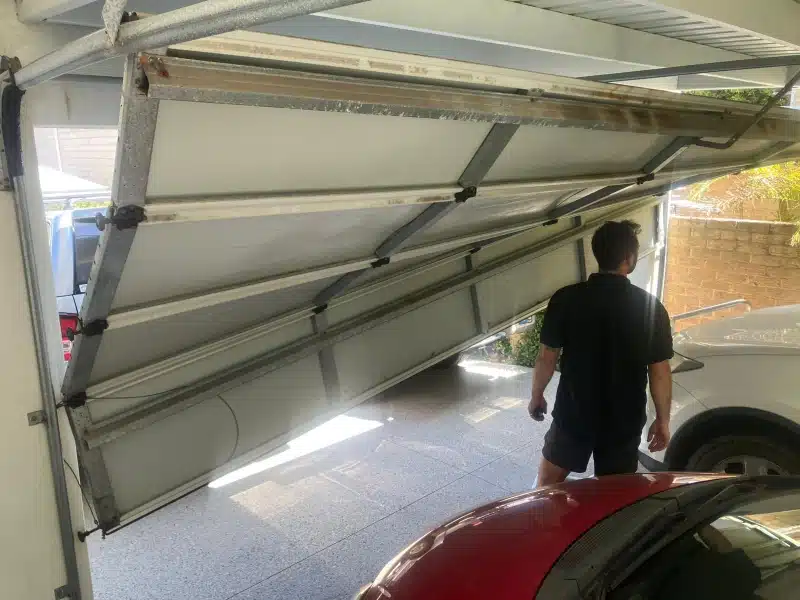
Before you open a garage door by hand, look at it from inside the garage. If it is twisted on the track, visibly damaged or hanging half way, manually opening it can be dangerous. In that case leave it in the closed position if possible and contact a professional.
How The Emergency Release Mechanism Works
The emergency release mechanism disconnects the garage door from the automatic opener so you can lift the door manually by hand.
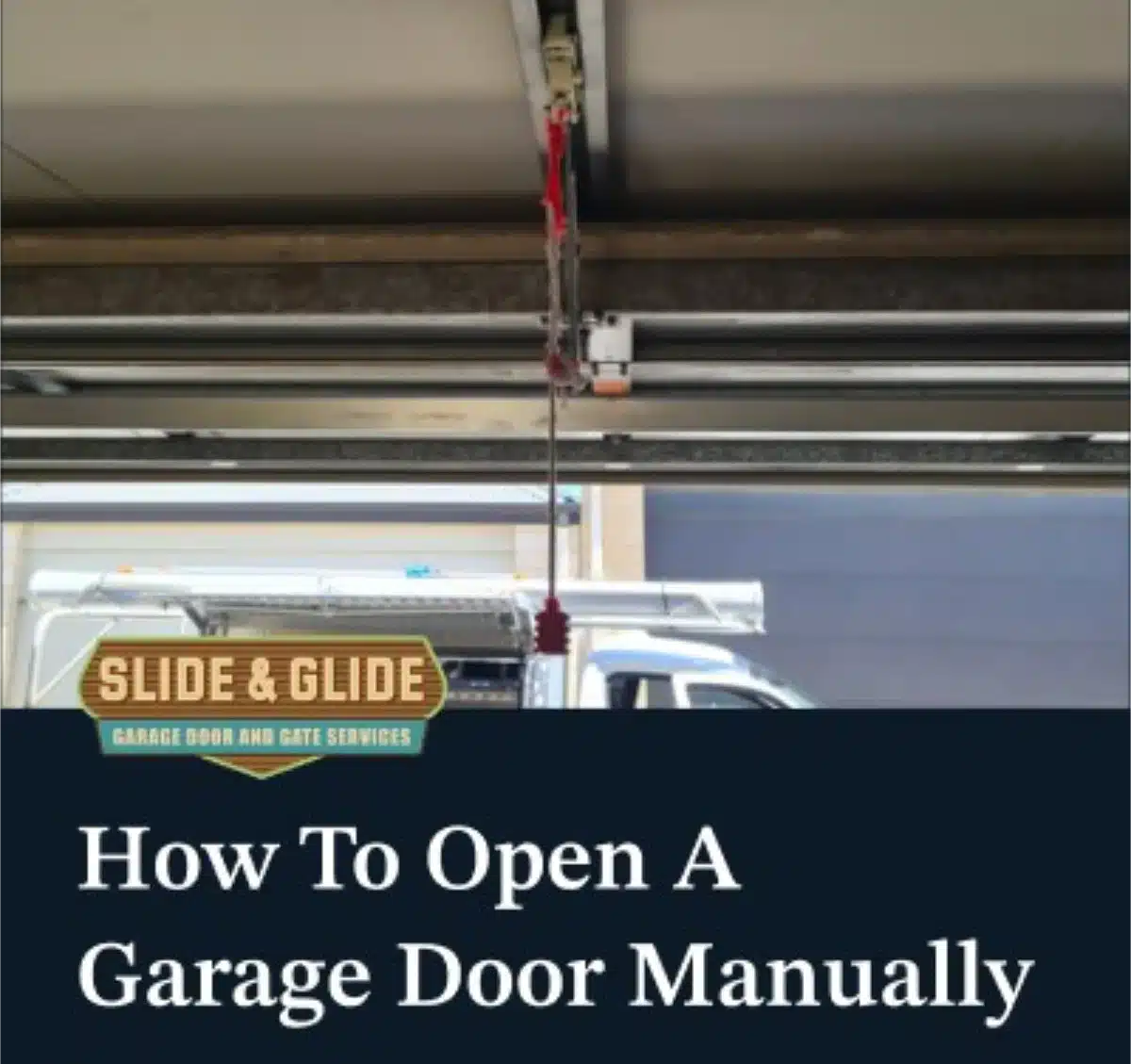
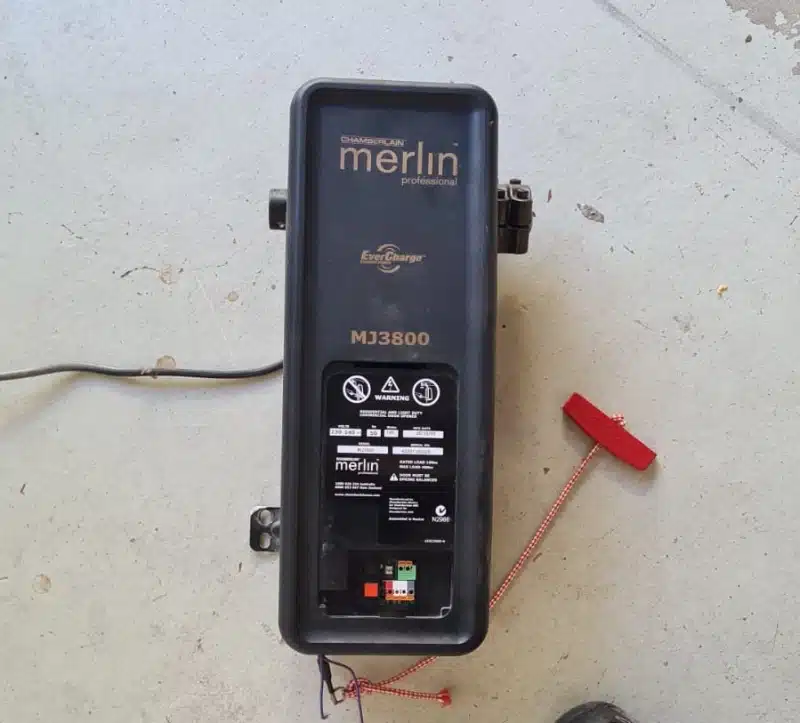
Most automatic garage door openers have a built in manual release. On sectional or tilt doors, you will see a red cord or red rope hanging from the trolley that runs along the rail installed between the motor and the door. On roller doors, the emergency cord usually hangs from the side mounted motor. This cord is often called the emergency release cord, manual release cord or emergency release cable.
Pulling the emergency release makes a small lever inside the trolley move. The lever disconnects the trolley from the door opener drive so the door is no longer attached to the automatic garage door opener. In other words, pulling the emergency release cord disconnects the garage door from the automatic opener, which allows you to manually lift or manually slide the door along its track.
For safety, the emergency release should only be used when the door is in the down position. The weight of an open or partly open door can cause it to slam shut if you pull the emergency release while it is in the open position. Always make sure the door is fully closed and sitting on the floor before you pull the emergency cord and disengage the opener.
Step By Step How To Open A Garage Door Manually From Inside
To open a garage door manually from inside, make sure it is closed, locate the manual release, pull the emergency release and then lift the door smoothly with both hands.
Follow these steps carefully to prevent injury and avoid damaging the door or opener.
- Check The Door And Area
Stand inside the garage and look at the door. Confirm it is fully down and level on the floor, not stuck half way. Look for obvious damage such as broken springs, loose cables or bent track. Make sure children, pets and the car are clear of the open door path and the driveway. - Locate The Manual Release Cord
Look up at the garage door opener. You should see a red cord or red rope hanging from the trolley on the rail. This is your manual release cord. On some roller doors it hangs from the motor housing instead. This cord is part of the emergency release mechanism installed with the opener. - Unlock Any Manual Lock
Before you open a garage door manually, check for a manual lock or lock tumbler in the centre of the door. Use the corresponding key to unlock any manual lock or emergency release lock. Trying to lift a locked door can bend panels, track and hardware. - Pull The Emergency Release
Stand under the opener, grab the handle firmly and pull the emergency release cord straight down until you hear a click. One firm pull is enough to put the opener into manual mode. Do not pull the emergency release cord repeatedly or towards the door. - Confirm The Door Is Disengaged
To confirm that the manual release has worked, gently pull the cord toward the garage interior and watch the trolley. The internal spring can elongate and the trolley should slide a little. If it moves freely, the automatic opener is now disengaged from the door. - Manually Lift The Door
Walk to the centre of the door, grab the bottom handle or bottom rail and lift the door smoothly. A healthy, balanced door will open smoothly and feel light. You can safely lift the garage door by grabbing the bottom handle and pulling it up once it is disengaged. The door should stay in the open position when it is fully open. Never pull on the release cord to lift the door. - Close The Garage Door By Hand
When you are ready to close the garage door, use the handle to guide it back down gently without letting it slamming shut. To close the door manually, use the handle to guide it down so the door rests evenly on the floor. - Monitor The Door While Disengaged
While the door is disengaged from automatic control, keep an eye on it so you can prevent injury. The weight of an open or partially open garage door can cause it to slam if there is a broken spring or problem with the track. Never leave a disengaged open door half way.
If the door is very heavy, does not open smoothly or will not stay fully open, this may indicate a broken spring or another mechanical issue. In that case stop the following steps and contact a professional at Slide And Glide for inspection and repair.
How To Open A Garage Door Manually From Outside
To open a garage door manually from outside, you use an external emergency release kit, then lift the door manually once unlocked.
If you do not have another access door to the garage, your system may have an emergency release kit installed. This is usually fitted at the top centre of the garage opening and includes an emergency release lock, lock tumbler and cable connected to the trolley.
To open a garage from outside during a power outage:
- Insert the key into the emergency release lock, turn it and pull the small cylinder out. This pulls the emergency release cable, which disconnects the door from the automatic door opener.
- Unlock any manual lock on the panel. Always check locks are open before you manually open the garage door.
- Use the bottom handle to lift the door manually in a smooth motion until it is fully open. Do not try to manually slide it sideways off the track. If it does not open smoothly, stop and contact a professional.
- During a prolonged power outage, use the manual lock to secure the door against the floor so you are not leaving a security risk while the opener is disengaged.
If you do not have an emergency release kit and no side door into the garage, you may not be able to open a garage door manually from the outside. In that case, ask us about having an emergency release kit installed so you still have access during the next outage.
Is It Safe To Manually Open A Garage Door
It is safe to manually open a garage door when the door is in good condition, the springs and hardware are intact and you follow the correct steps.
Manually opening a garage door always needs caution. Some doors are designed to operate manually if needed, but if there is a broken spring, bent track or worn hardware, the door can become a serious safety risk. Signs of trouble include:
- A door that is very heavy to lift or does not stay open
- A door that drops or starts slamming shut when you let go
- Panels that hit the floor too hard when you push the door down
- Visible damage to cables, springs or track
If the door is very heavy or will not stay in the open door position, the counterbalance springs may be broken. Emergency release cords can also malfunction or break, leaving the door stuck. In any of these cases, do not try to operate the door manually. Contact a professional technician to repair the problem before anyone is hurt. Regular cleaning and tightening of hardware helps prevent major faults and keeps the door ready for safe manual operation.
When To Call Slide And Glide For Garage Door Repair
You should call Slide And Glide when the door does not move easily in manual mode or will not operate correctly after you re engage the opener.
Using the manual release is a temporary workaround. Many garage door openers are prone to malfunction after years of use and many garage doors have mechanical issues that require professional troubleshooting. Doors that are hard to move, that drop from the open position or that refuse to work properly after disconnection often need more than a quick adjustment.
Call Slide And Glide if:
- The door is too heavy to lift the door manually
- The door will not stay fully open or keeps slamming shut
- You hear scraping on the track when you open a garage door
- The opener hums but the door does not move when you press the remote or wall button
- The door only moves a short distance even after you have pulled the manual release
Our technicians repair broken spring problems, reset tracks, adjust limits, replace faulty openers and check every major component that has been installed. All garage doors should be checked for security and functionality after a serious fault or outage so you know they are safe to operate.
Frequently Asked Questions About Opening A Garage Door Manually
When Should You Open A Garage Door Manually
You should manually open a garage door when the opener will not run and you need access to the garage or car. A common example is a power outage, but you may also need manual operation if the opener has failed, the power cord is unplugged or the garage door remote has stopped working.
What Causes A Garage Door Motor To Stop Working
A motor can stop because of a power problem, a blown board, worn gears or an overloaded door with a broken spring. Garage doors may require repair if they are difficult to move on their own, since this extra load quickly damages the opener.
Can You Open An Electric Garage Door Without Power
Yes. You can manually open an electric garage door without power by using the emergency release cord, then lifting the door manually from the handle. You can safely manually open a garage door during a power outage as long as the door itself is not damaged and moves smoothly.
What Is The Red Cord On A Garage Door Opener For
The red cord on a garage door opener is the manual release or emergency cord. It hangs from the trolley and is sometimes called a release cord. When you pull it, the cord disconnects the door from the opener so you can operate the door manually.
How Do You Re Engage The Opener After Manual Operation
To re engage the opener, pull the manual release cord back toward the motor or press the remote so the trolley slides back into its carriage. You need to re engage the garage door opener after using the emergency release mechanism. Then use the remote or wall button to activate the opener and run it through a complete cycle to confirm the door is operating correctly.
Can You Damage The Door By Opening It Manually
You can damage the door by opening it manually if you pull the emergency release while the door is open, try to lift a locked door or force a door that is clearly jammed. The weight of an open or partially open door can cause it to slam shut suddenly, which can damage panels and track and cause injury.
Conclusion
Opening a garage door manually is straightforward when the door is healthy and you follow the correct steps, but it can be dangerous when springs, tracks or hardware are damaged.
Always locate the manual release before you need it, practise how to open your garage door manually in daylight and make sure everyone in the household knows the basic process. Ensure the door is in the down position before you disengage the opener, unlock any manual lock first, lift the door smoothly and never ignore signs that the door is not moving as it should.
If your opener will not work, the door does not open smoothly or you are worried about a possible broken spring or other fault, do not keep forcing it. Many automatic door opener problems and manual release issues are simple for a trained technician to fix but risky for a homeowner to tackle alone.
For fast, professional help with automatic garage door openers and manual operation issues in Perth, contact Slide And Glide today on 0489 266 468 or send us an enquiry online. We will check your emergency release system, repair any faults and make sure you can open your garage door safely, whether you press the remote or need to use the manual release.

- How To Improve Your Garage Door Security - September 1, 2026
- Do I Need A Backup Battery For My Garage Door Opener - August 16, 2026
- DIY Vs Professional Garage Door Repairs - August 16, 2026

Social Media